 Independent hotel collection
 USD
 EUR
 GBP
 CHF
 AED
 SGD
 HKD
 THB
 JPY
 AUD
 CAD
 SEK
Japan · The capital
Luxury hotels in Tokyo
Tokyo, one neighbourhood at a time.
Less a single city than a chain of very different neighbourhoods, linked by some of the best public transport in the world. The pleasure of Tokyo is moving between them slowly.
Tokyo spreads around the green core of the Imperial Palace, whose moats and gardens sit at the centre of the city. Just east, Marunouchi and Otemachi hold Tokyo Station's red brick facade and the broad, tree-lined streets of the business district, an easy first walk on arrival. Ginza, a short way south, is the city's classic shopping and dining district, and Nihonbashi keeps older merchant streets and food halls.
Further out, each district has its own character. Asakusa, in the northeast, grew up around Sensō-ji, Tokyo's oldest temple, and keeps a low-rise, old Edo feel; nearby Yanaka has wooden houses, small temples and a quiet cemetery. To the west, Shibuya and Shinjuku are the neon Tokyo of crossings and towers, while Harajuku and Omotesando pair the forested shrine of Meiji Jingu with an avenue of contemporary architecture. Daikanyama and Nakameguro, along the Meguro River, are calmer, with cafés, bookshops and cherry trees.
Food is a reason to come in itself, from the stalls of the Tsukiji outer market to tiny counters serving one dish. Roppongi and Ueno hold the big museums, including the Mori Art Museum and the Tokyo National Museum. Beyond the city, Kamakura, Hakone and Nikko are each an easy day or overnight trip by train.
Use the rail and subway network rather than taxis, and leave space in the plan for walking. Trying to cross the whole city in a day misses what Tokyo does best: the side streets, the small shrines and the restaurants found by chance.


Know the city
Where to base yourself.
Marunouchi and Otemachi
Tokyo Station, the Imperial Palace gardens and broad streets for an easy first walk, with direct links across the city.
Ginza and Nihonbashi
Department stores, galleries, old merchant streets and some of the city's best restaurants.
Asakusa and Yanaka
Old Tokyo around Sensō-ji, with craft shops, wooden houses and quiet temple lanes.
Shibuya, Harajuku and Omotesando
The busy, youthful west of the city, with Meiji Jingu's forest and an avenue of modern architecture.
Tokyo in pictures
When to go
Tokyo through the year.
- Jangood
- Febgood
- Marbest
- Aprbest
- Maybest
- Junquiet
- Julquiet
- Augquiet
- Sepquiet
- Octbest
- Novbest
- Decgood
Best · Mar, Apr, May, Oct, Nov
Mild spring days and comfortable autumn walks. Blossom and autumn leaf dates change from year to year.
Good · Dec, Jan, Feb
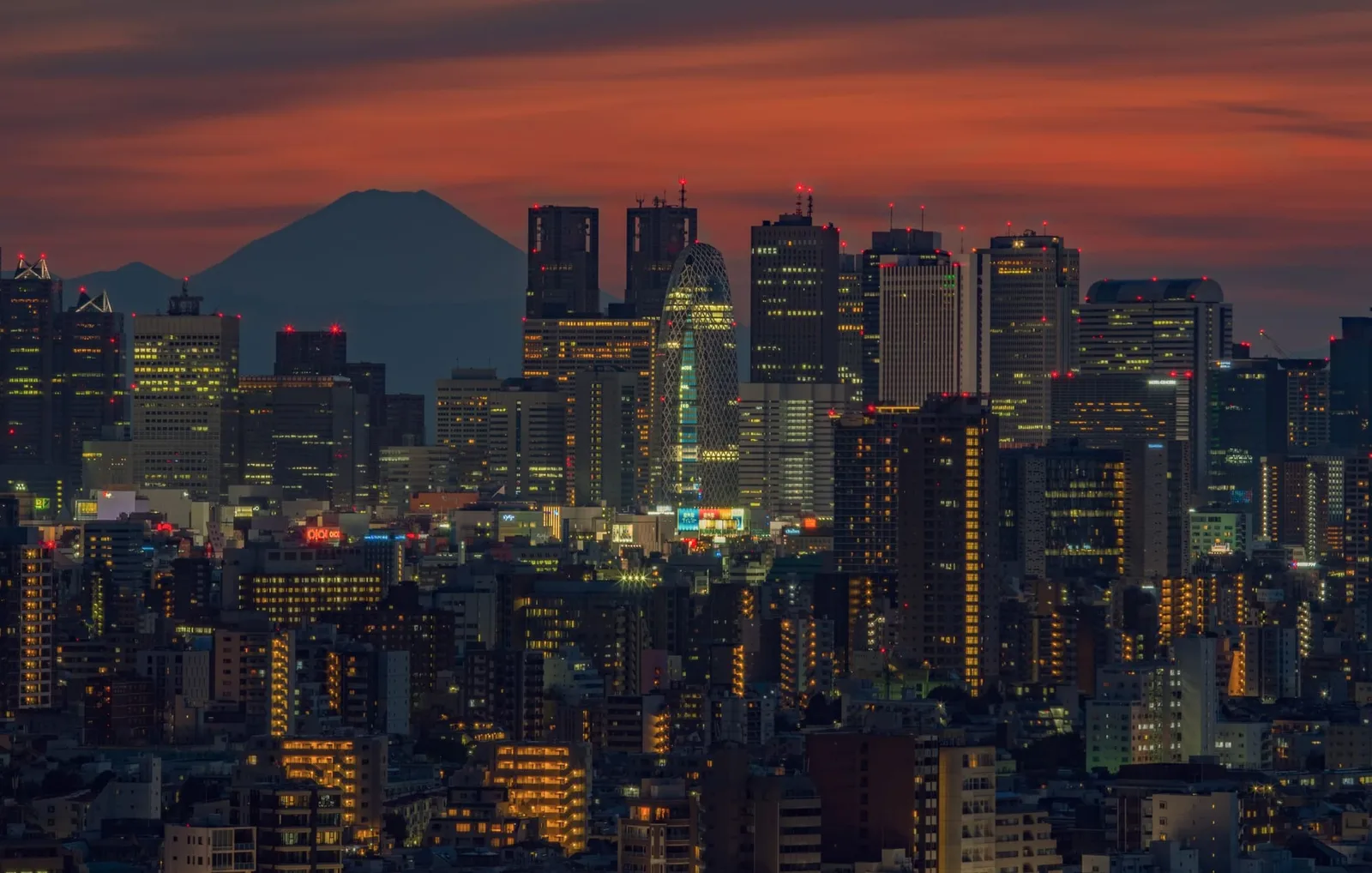
Cooler, often clear days for museums, food and long views over the city, sometimes to Mount Fuji.
Quieter · Jun, Jul, Aug, Sep
The rainy season usually runs through June into July; high summer is hot and humid, with a chance of typhoons later in the season.
Getting there
Arriving in Tokyo.
Each hotel page lists its address, check-in times and the hotel's own transfer times.
Good to know
- Haneda and Narita are different airports. Check the airport code before arranging a transfer.
- Trains and subways are the fastest way around. Rush hours, roughly 8 to 9.30 in the morning, are best avoided with luggage.
- Tipping is not part of Japanese custom in restaurants or taxis.
- Many small restaurants take reservations only, often weeks ahead, and some do not accept cards.
Read on
More ways into Tokyo.

Practical
Before you go.
- Getting there
- Haneda (HND) is the closer of Tokyo's two international airports, about 30 minutes from the centre. Narita (NRT) is around an hour away by express train.
- When to go
- Spring and autumn are comfortable for long days on foot. Cherry blossom usually peaks around late March to early April. Summer is hot and humid, and June is often wet.
- Our tip
- Buy a rechargeable transport card such as Suica on arrival. It works on almost every train, subway and bus in the city, and in many shops.
On the map
Where the hotels are

Questions
Tokyo, answered.
Where should I stay for a first visit to Tokyo?
Marunouchi, Otemachi and Ginza are central, well connected and easy to walk. Shibuya and Shinjuku suit travellers who want the busier west side of the city.
When is the best time to visit Tokyo?
Spring and autumn are the easiest seasons for walking. Summer is hotter and more humid, while winter is cooler and often clear.
How long should I stay in Tokyo?
Four or five nights allows several neighbourhoods at an unhurried pace, with a day trip to Kamakura, Hakone or Nikko.
Booking help
Planning Tokyo?
Tell us your dates. We will suggest the right hotel and room, and help you book it.