 Independent hotel collection
 USD
 EUR
 GBP
 CHF
 AED
 SGD
 HKD
 THB
 JPY
 AUD
 CAD
 SEK
Greece · The city and the coast
Luxury hotels in Athens and the Athens Riviera
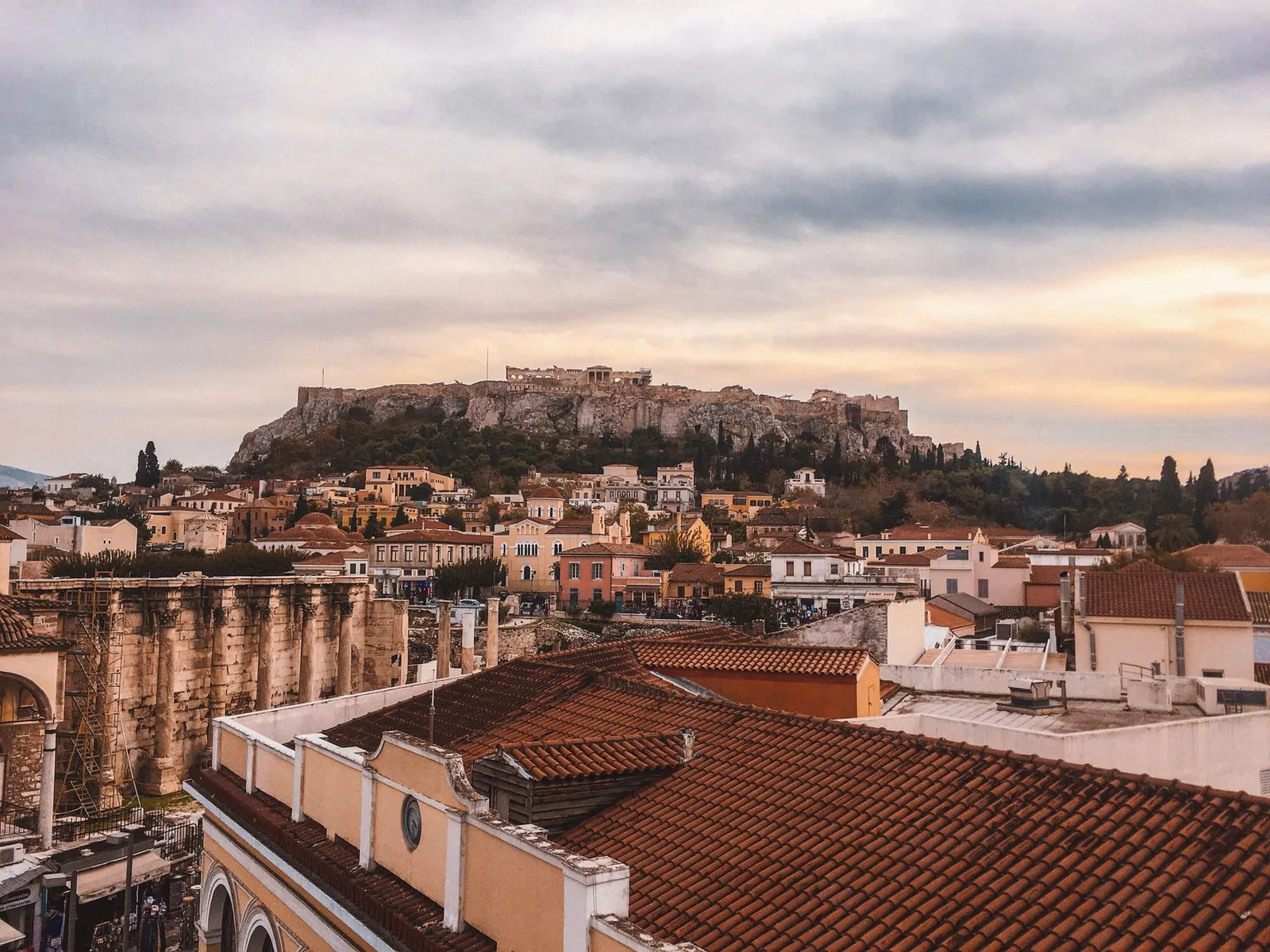
The city around the Acropolis, and the coast beyond.
Athens moves from monumental ancient sites into streets of shops, cafés and ordinary neighbourhood life, then south along the Riviera: pine-covered headlands, swimming coves and the bays of Glyfada and Vouliagmeni, toward the temple at Cape Sounion.
Athens spreads across a basin ringed by mountains and open to the sea at Piraeus. The ancient city sits at its heart, with the Acropolis rising above the old quarters, and a ring of hills, Lycabettus, Philopappou and the Areopagus, gives the views back over it.
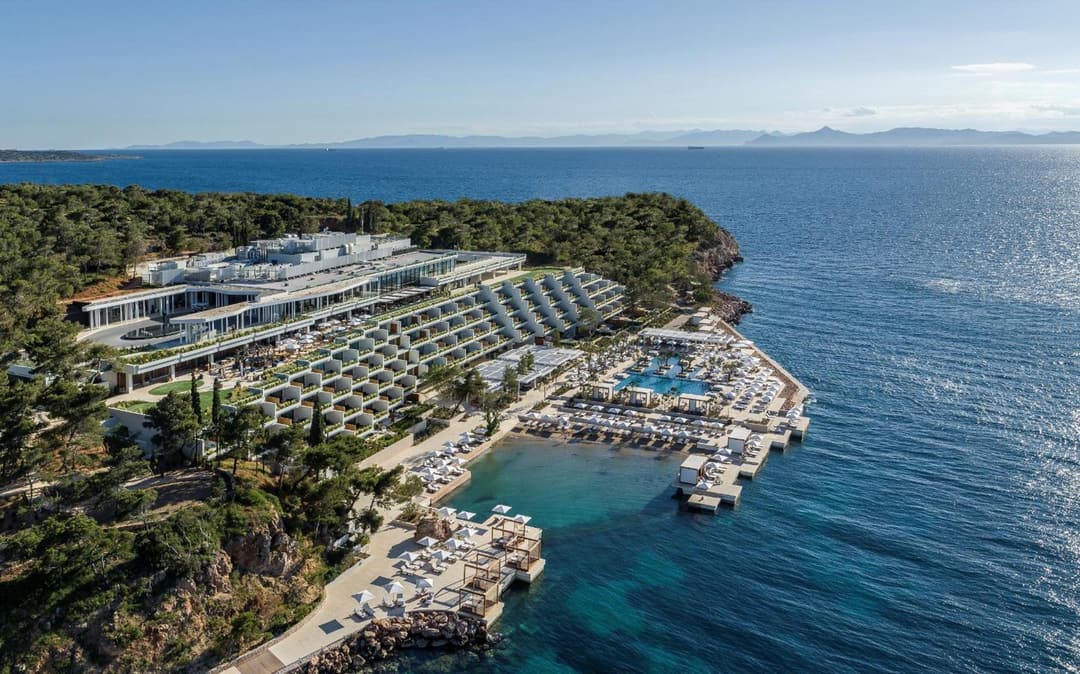
The Athens Riviera is the coastline of Attica south of the city, facing the Saronic Gulf. It begins in the seaside suburbs of Faliro and Alimos, passes the marinas and shops of Glyfada, and reaches its loveliest stretch at Vouliagmeni, a small peninsula of pines, rocky coves and clear water about 25 kilometres from central Athens. Beyond Varkiza the road continues past quieter beaches to Cape Sounion, where the Temple of Poseidon stands on the cliff at the tip of Attica.
Vouliagmeni's best-known landmark is its lake, a brackish thermal pool under a limestone overhang, fed by underground springs and warm enough to swim in all year. Along the shore, beach clubs, fish tavernas and a long seafront promenade set the rhythm of the day.
The Riviera suits a slower Greek trip: mornings in the sea, long lunches by the water, and Athens as a deliberate day out. The coastal tram runs from the city as far as Voula, and the drive to the Acropolis takes around 40 minutes outside rush hour. An evening at Sounion for sunset at the temple is the classic excursion along the coast.
2 hotels
Where to stay in Athens and the Athens Riviera.


Orientation by neighbourhood
Syntagma Square, with the Parliament and the Evzones guard, is the hinge of the centre. Plaka spreads below the Acropolis, and above it the tiny lanes of Anafiotika were built by islanders from Anafi. Monastiraki has the flea market and the metro, with the Ancient Agora and the Roman Agora a short walk away, while Psirri fills with tavernas and bars in the evening.
Kolonaki, on the slopes of Lycabettus, is the polished quarter of boutiques and cafés. Koukaki, behind the Acropolis Museum, is quieter and residential. Grouping visits by area, rather than crossing the centre repeatedly, keeps the walking pleasant.
Ancient sites, then the living city
Give the Acropolis and its museum proper time rather than treating them as a quick stop before a ferry. The site opens early, and the first hours are the coolest and quietest. The National Archaeological Museum, north of the centre, holds the finest collection of ancient Greek art anywhere, and the Benaki and the Museum of Cycladic Art are both in Kolonaki.
Afterwards, walk into the surrounding districts with fewer appointments. Lycabettus Hill, the highest point in the centre, is the classic sunset view, and the National Garden behind Parliament offers shade at midday.
Before the islands, not in their shadow
Three nights suit a first city visit, with a coast or island stay following as a separate chapter. Ferries to the islands leave from Piraeus and Rafina, so check which port before planning the last night. The Athens Riviera, south along the coast towards Vouliagmeni, and the Temple of Poseidon at Cape Sounion, about an hour and a half away, make a good half day out of the city.
A coast made for swimming
The Saronic Gulf is sheltered and usually calm, and the water is clear around Vouliagmeni's rocky headlands. Swimming season runs from late spring into October, and Lake Vouliagmeni stays warm enough for a swim even in winter. Organised beaches with sunbeds alternate with small public coves, so each day can be as social or as quiet as you like.
Athens as a deliberate outing
The Acropolis and the central museums fit easily into a Riviera stay, but give that day its own shape. Leave early for the Acropolis before the heat and the crowds, spend the afternoon in Plaka or at the Acropolis Museum, and return to the coast for dinner rather than trying to see every central landmark. For a trip built mainly around art and archaeology, a few nights in the city first may suit better.
An easier Greek combination
Four or five nights work well for a coast-led break, or a shorter Riviera chapter after several city nights. Summer makes the sea the focus, while spring and autumn favour a mix of coastal walks and city outings. Outside the main swimming season, many beach clubs and seasonal tavernas close, though the coast keeps its quieter appeal.
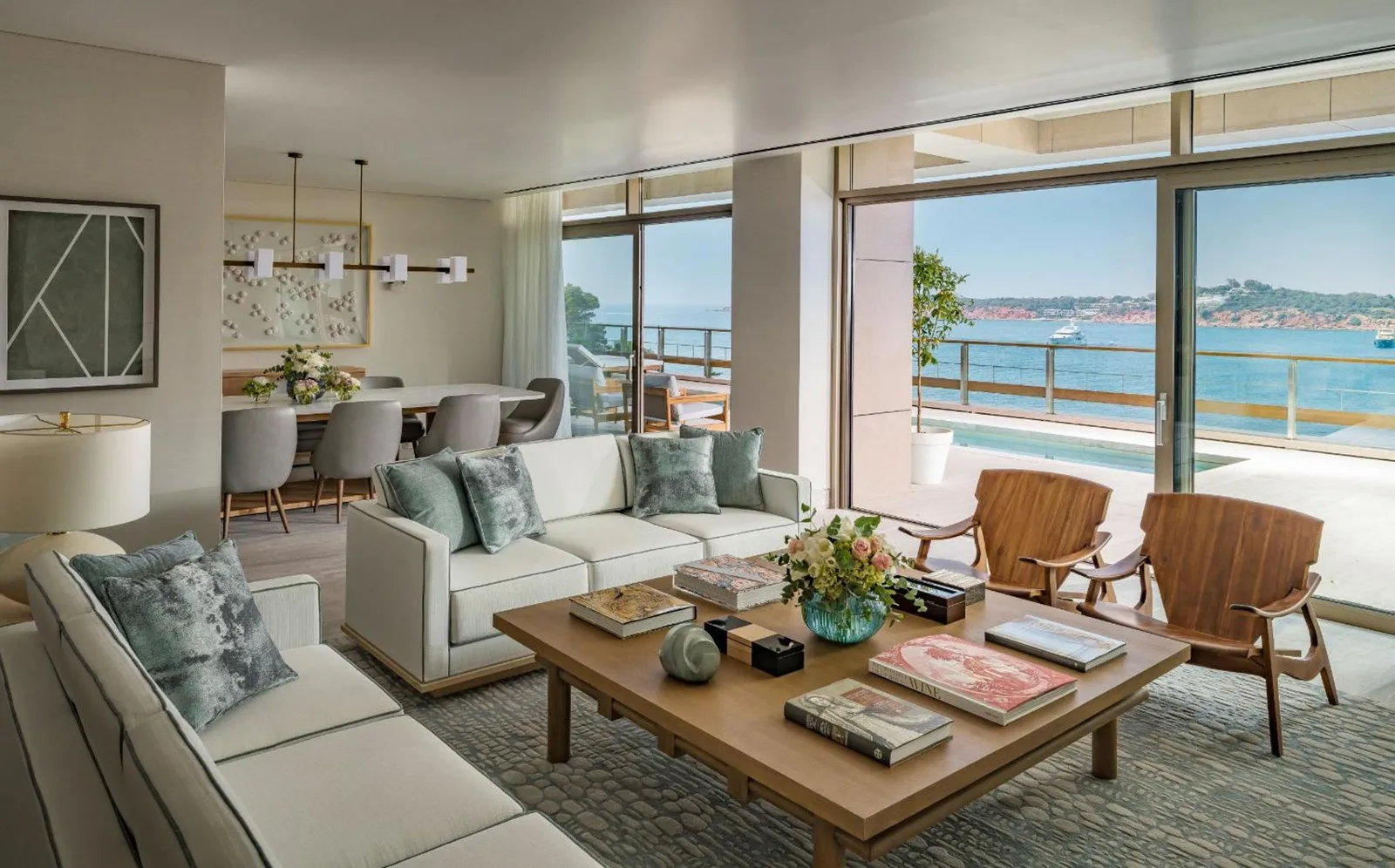
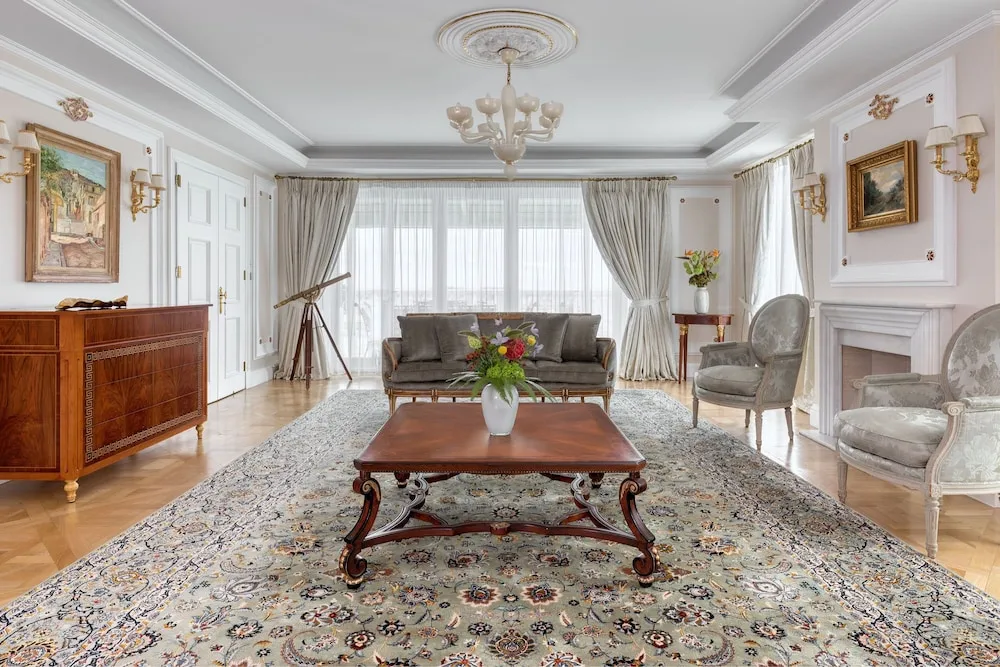
Athens and the Athens Riviera in pictures
When to go
Athens and the Athens Riviera through the year.
- Janquiet
- Febquiet
- Marbest
- Aprbest
- Maybest
- Jungood
- Julgood
- Auggood
- Sepgood
- Octbest
- Novbest
- Decquiet
Best · Mar, Apr, May, Oct, Nov
Good months for a visit with substantial time on foot, allowing for rain.
Good · Jun, Jul, Aug, Sep
Heat makes early archaeological visits and a quiet afternoon particularly useful.
Quieter · Dec, Jan, Feb
A cooler-season city stay can focus on museums, neighbourhoods and dining.
Getting there
Arriving in Athens and the Athens Riviera.
Each hotel page lists its address, check-in times and the hotel's own transfer times.
Good to know
- Central Athens and Vouliagmeni on the Riviera suit different kinds of holiday.
- Island ferries leave from Piraeus and Rafina; check the port for each route before planning connections.
- Metro line 3 links the airport with Syntagma and Monastiraki.
- In summer, visit the Acropolis at opening time, before the heat and the crowds.
- Vouliagmeni is a coastal base about 25 kilometres from central Athens, not a city address.
- The coastal tram runs from central Athens as far as Voula; beyond that, travel is by car or bus.
- Lake Vouliagmeni is a thermal lake that stays warm enough to swim in all year.
- Cape Sounion and the Temple of Poseidon are about an hour's drive south along the coast.
Practical
Before you go.
- Getting there
- Athens International Airport (ATH), linked to the centre by metro line 3 in about 40 minutes, or by road in a little less outside rush hour.
- When to go
- Spring and autumn for walking; summer calls for earlier visits and a slower afternoon.
- Our tip
- Climb Philopappou Hill in the late afternoon for the view across to the Acropolis.
On the map
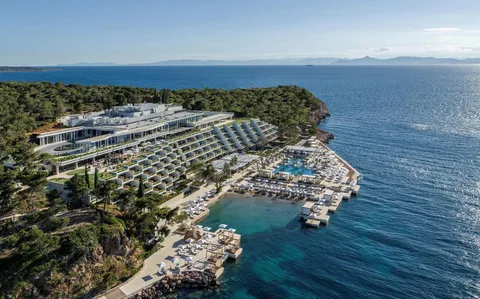
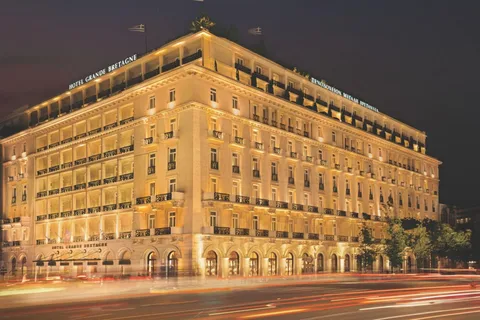
Where the hotels are
Questions
Athens and the Athens Riviera, answered.
How many nights should I allow in Athens?
Three for the main ancient sites and some time in the surrounding neighbourhoods. A one-night connection leaves little room to experience the city.
Should I stay in the centre or by the sea?
Choose the centre for a walking-led cultural visit. The Riviera makes more sense when the beach and coastal setting are the main purpose of the stay.
Should I stay on the Riviera or in central Athens?
The Riviera suits a trip built around the sea, with the city as a day out. If museums and archaeology are the main purpose, stay in the centre, or split the trip between the two.
How long does it take to reach the Acropolis from Vouliagmeni?
Around 40 minutes by car outside rush hour, longer in summer traffic.
Booking help
Planning Athens and the Athens Riviera?
Tell us your dates. We will suggest the right hotel and room, and help you book it.