 Independent hotel collection
 USD
 EUR
 GBP
 CHF
 AED
 SGD
 HKD
 THB
 JPY
 AUD
 CAD
 SEK
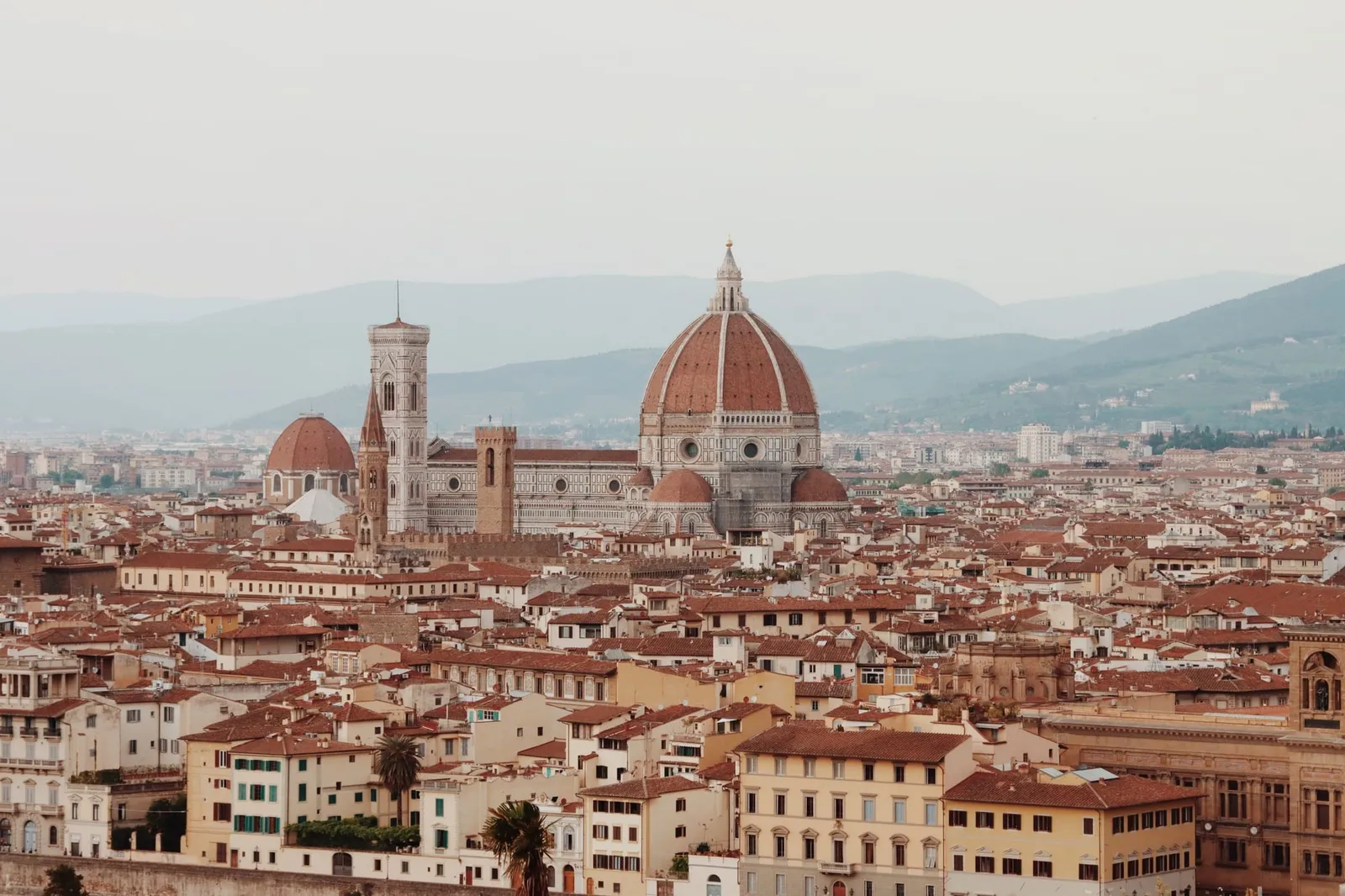
Italy · The city
Luxury hotels in Florence
Along the Arno, into the gardens.
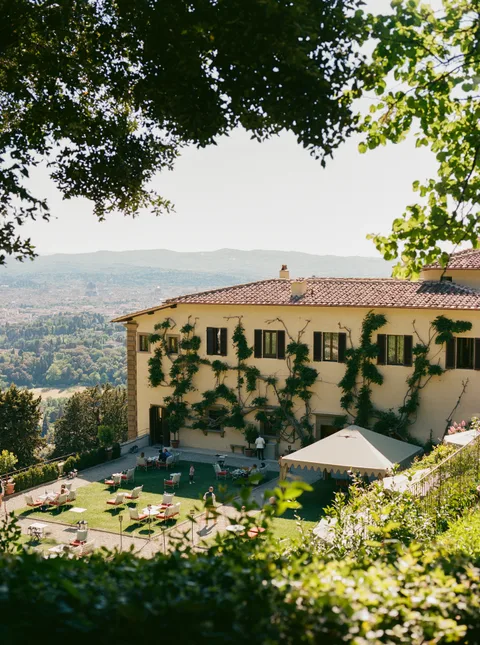
The Arno gives Florence a clear line through its dense historic centre. Cross it and the scale changes: workshop streets, gardens and the slopes beyond the city offer a counterpoint to the museums and monumental squares.
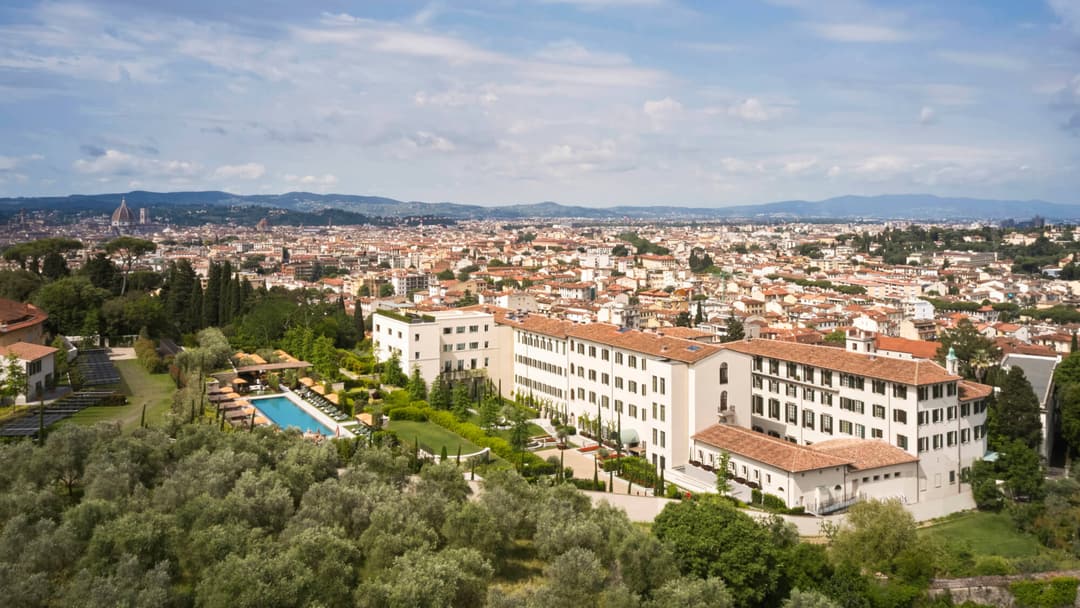
Florence is compact enough to walk from end to end in under an hour, which makes it easy to divide the day. The north bank holds the cathedral, the Uffizi and the great squares; the Oltrarno, across the bridges, is quieter and greener; and the hills of Fiesole and San Miniato look back over the red roofs from either side.

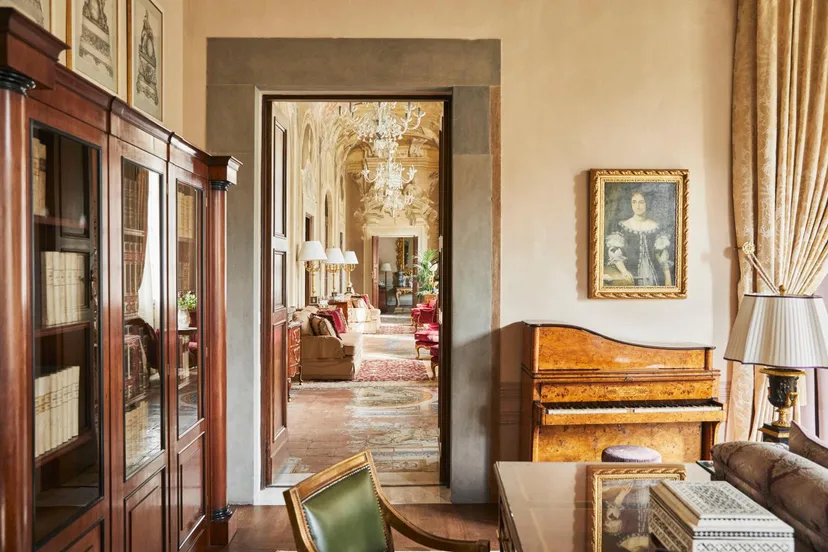

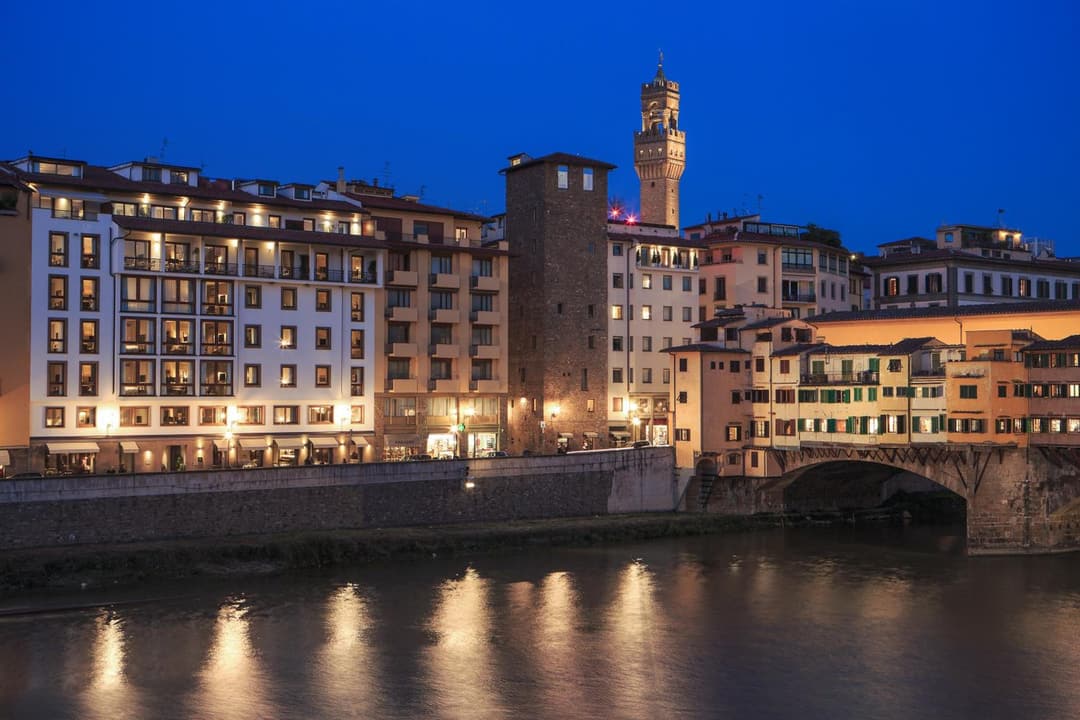
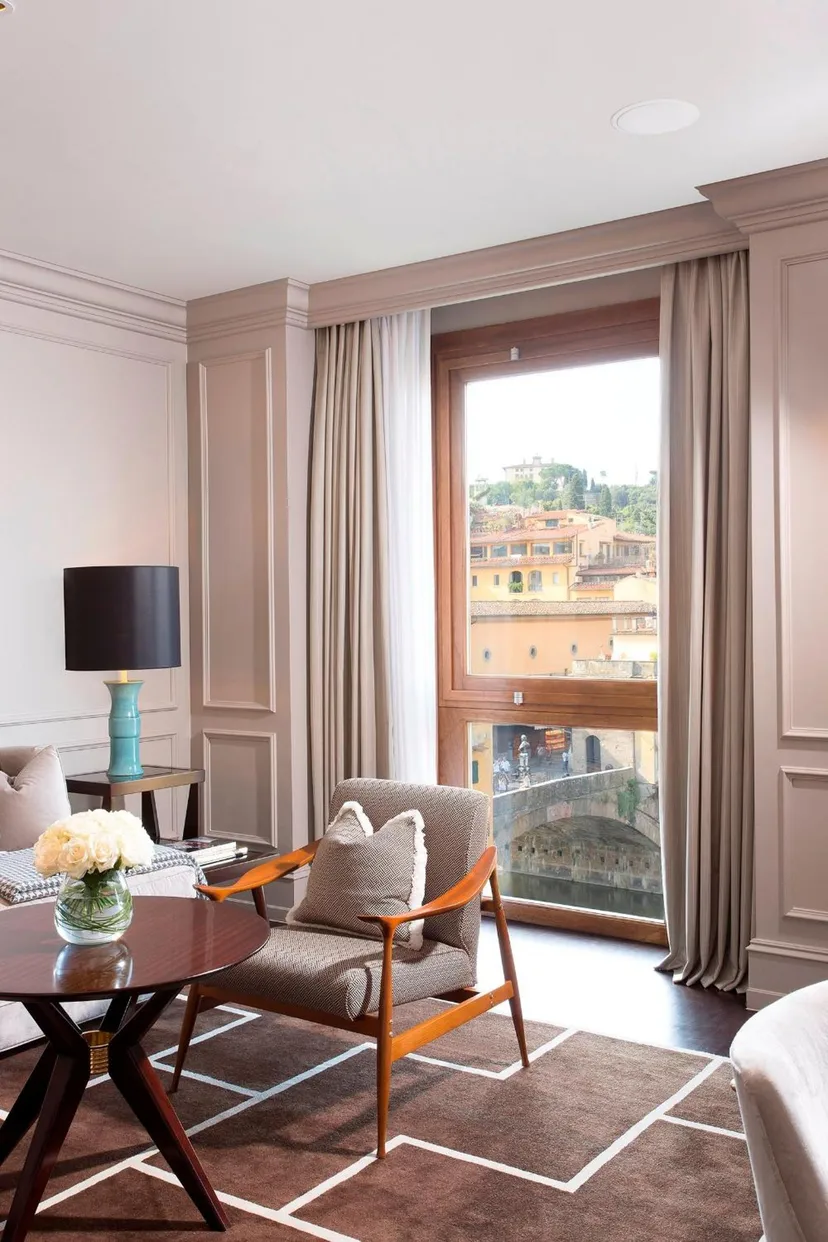

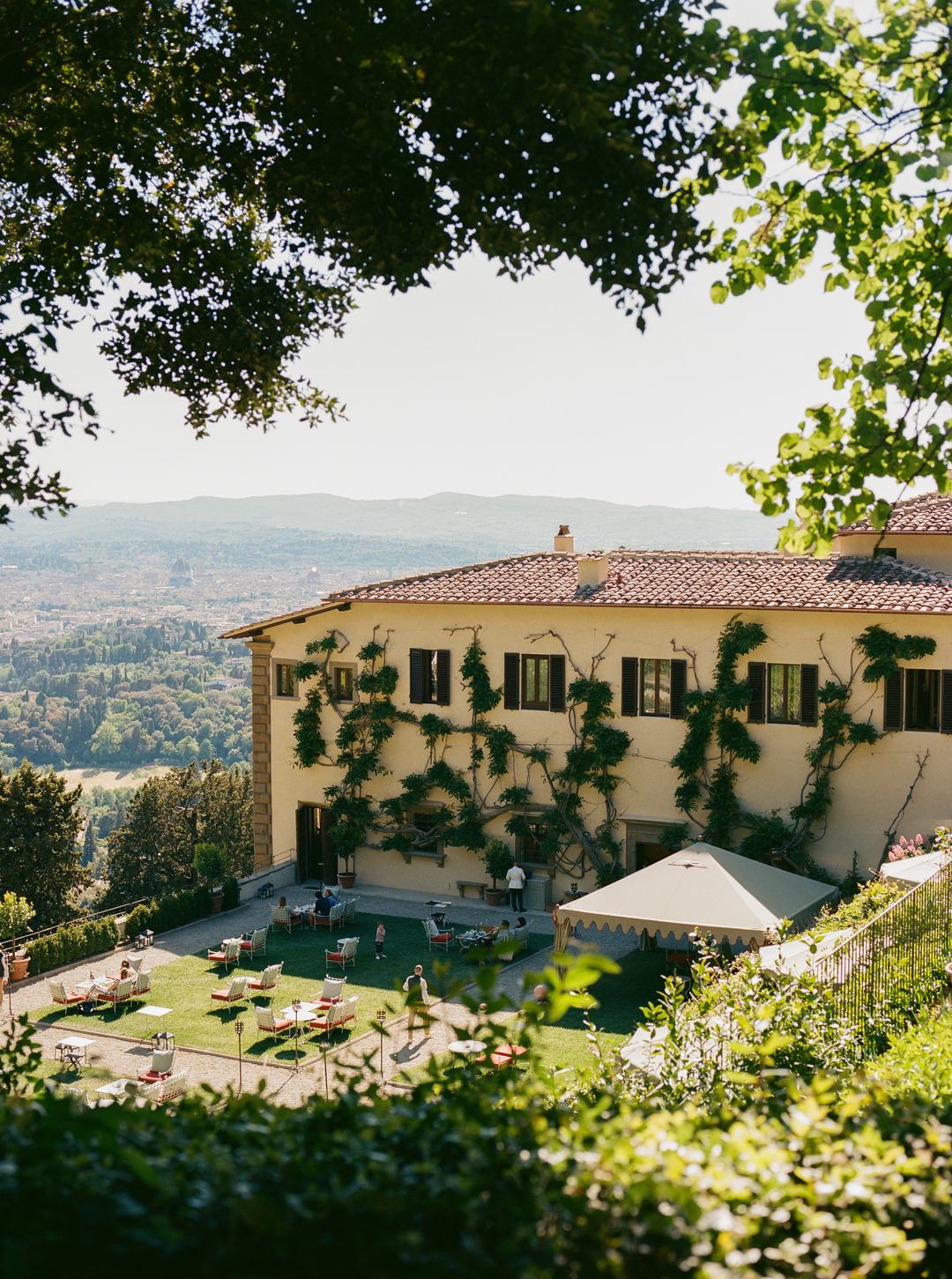
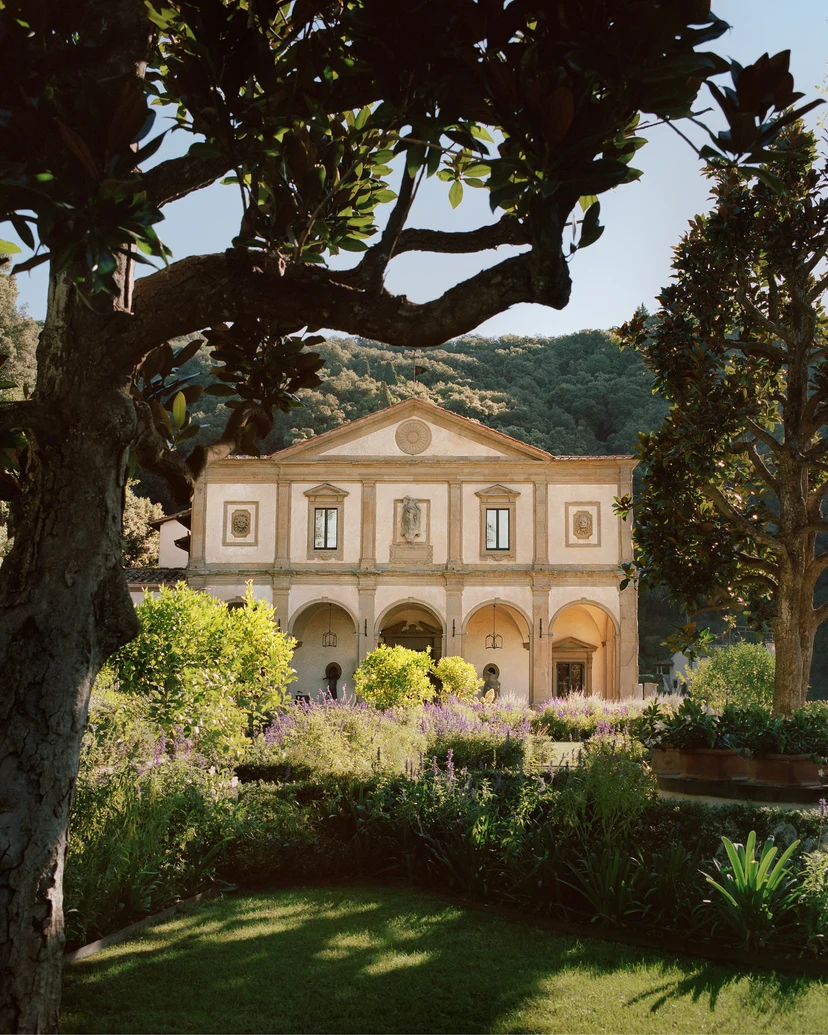

Two banks, two speeds
The north bank is the Florence of the postcards: Brunelleschi's dome over the cathedral, Giotto's bell tower, Piazza della Signoria and the long courtyard of the Uffizi running down to the river. Santa Croce, to the east, adds the great Franciscan church and a quarter of leather workshops and small restaurants. The Sant'Ambrogio market and the Mercato Centrale near San Lorenzo show the city's daily food life.
Cross the Ponte Vecchio and the pace drops. The Oltrarno is a neighbourhood of artisans, gilders and restorers, with Piazza Santo Spirito at its centre and San Frediano beyond. The Pitti Palace and the terraced Boboli Gardens rise behind it, and a steep walk leads up to Piazzale Michelangelo and the Romanesque church of San Miniato al Monte for the view over the whole city.
Give the art some space
The Uffizi, the Accademia with Michelangelo's David, and the cathedral complex with the dome climb are separate commitments, not a single afternoon. Reserve the visits that matter most through the official channels, then leave intervals for the streets between them. One major museum in a day is a good pace for a first visit that still leaves room for the city outside.
Food follows the seasons and the old trades: bistecca alla fiorentina, ribollita in winter, lampredotto from the street stalls, and Chianti from the hills to the south.
Make Florence the city chapter
Three or four nights suit a first visit before a countryside stay in Tuscany. Florence works without a car: the centre is a limited traffic zone, and bus number 7 climbs to Fiesole in around half an hour. Collect a car only when leaving for the country. Fast trains reach Rome in about an hour and a half and Milan in under two hours.
In summer, early starts and a shaded pause in the afternoon make the heat easier. Outside the busiest months, the museums and restaurants give the city its own purpose, and the queues shorten.
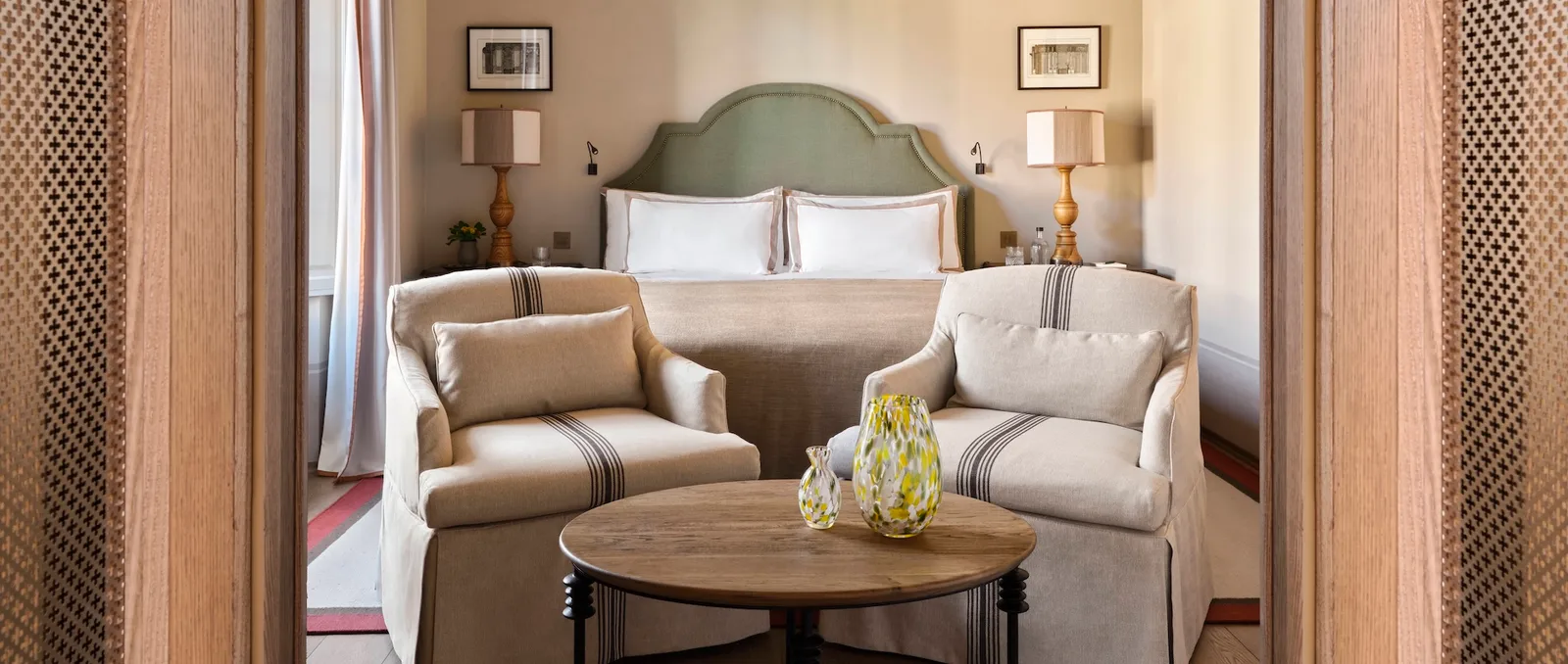
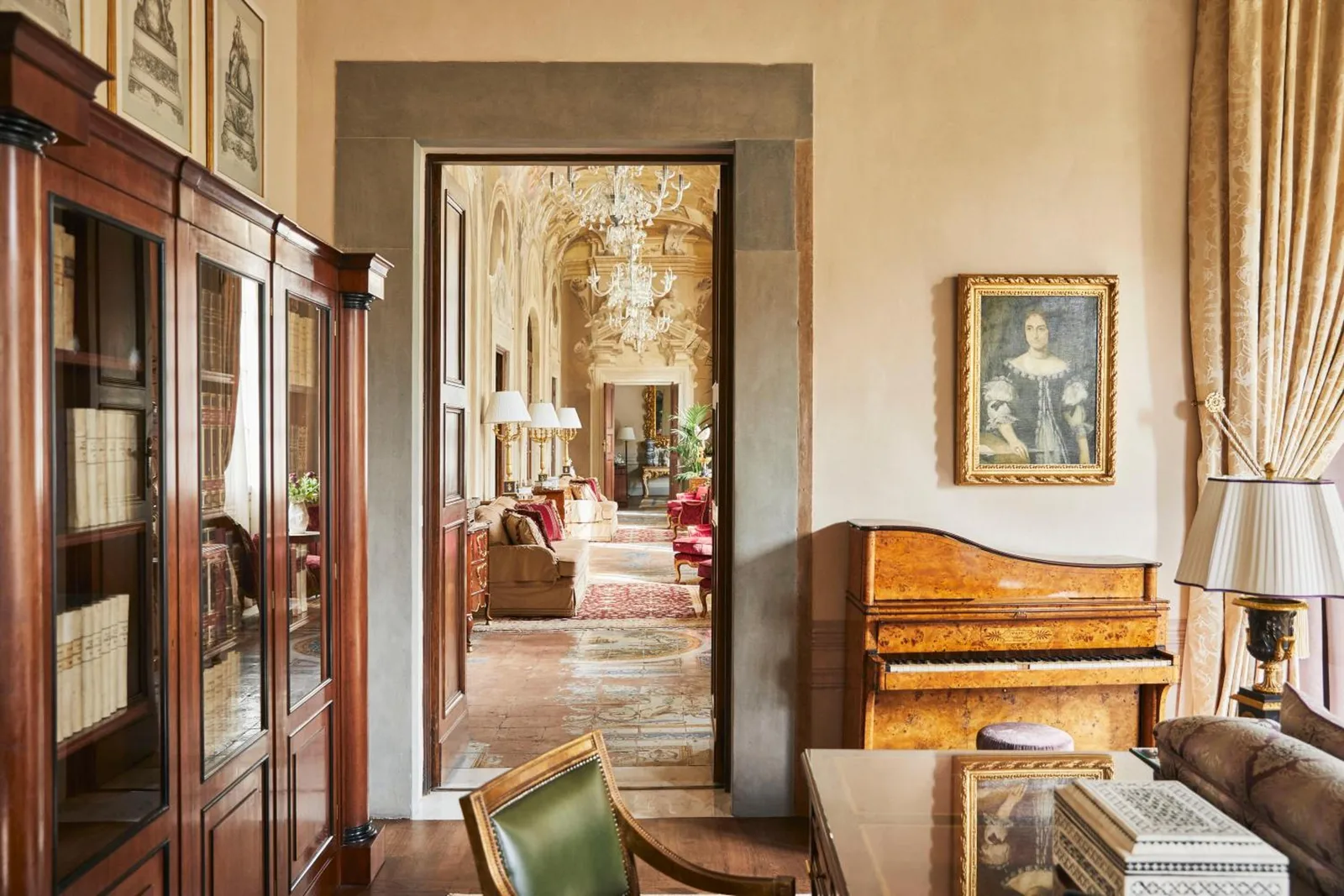
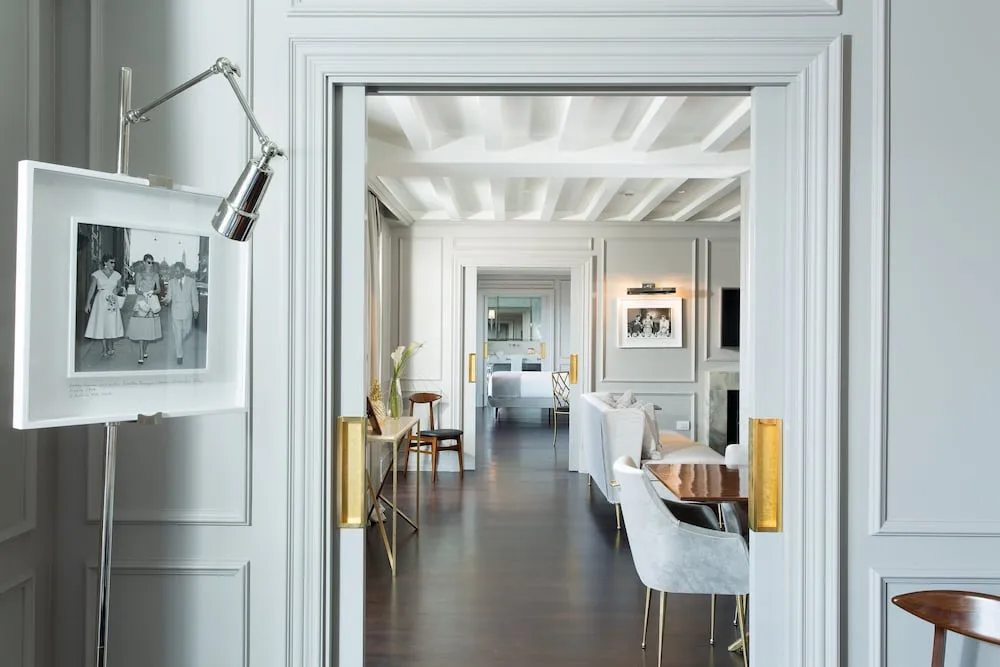
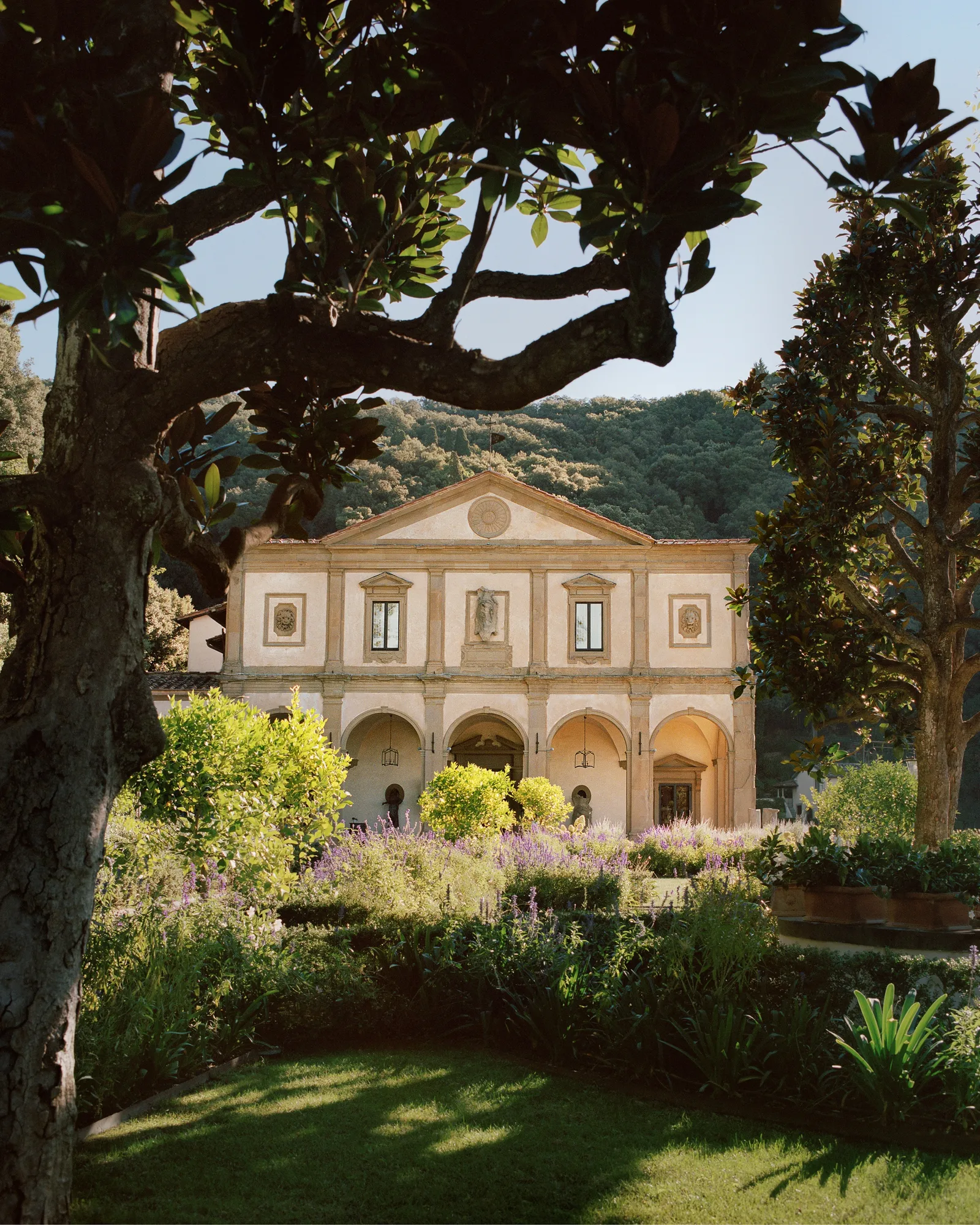
Florence in pictures
When to go
Florence through the year.
- Janquiet
- Febquiet
- Marquiet
- Aprbest
- Maybest
- Junbest
- Julgood
- Auggood
- Sepbest
- Octbest
- Novquiet
- Decquiet
Best · Apr, May, Jun, Sep, Oct
Good months for combining museums, gardens and walks through the city.
Good · Jul, Aug
Hot days call for early visits, time indoors and the shade of the Boboli Gardens.
Quieter · Nov, Dec, Jan, Feb, Mar
Shorter queues and a city given over to museums, churches and long lunches; cool and sometimes wet.
Getting there
Arriving in Florence.
Each hotel page lists its address, check-in times and the hotel's own transfer times.
Good to know
- Reserve major museum visits and the dome climb through their official channels.
- The historic centre is a limited traffic zone; driving in without a permit brings fines.
- Bus 7 from San Marco runs up to Fiesole in around half an hour.
- Many state museums close on Mondays, so check the day before planning a visit.
Practical
Before you go.
- Getting there
- Florence Airport (FLR), linked to Santa Maria Novella station by tram, or a fast train into Firenze Santa Maria Novella from Rome, Milan or Venice. Pisa airport is about an hour away by train.
- When to go
- Spring and autumn for walking; the museums support a city stay beyond the summer season.
- Our tip
- Give each major museum its own morning, and keep the afternoons for the Oltrarno and the gardens.
On the map
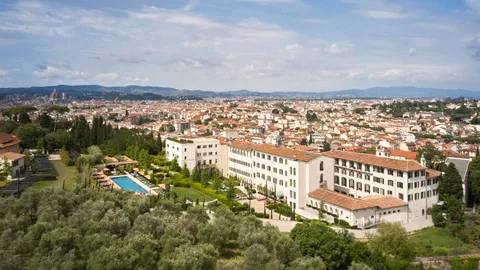
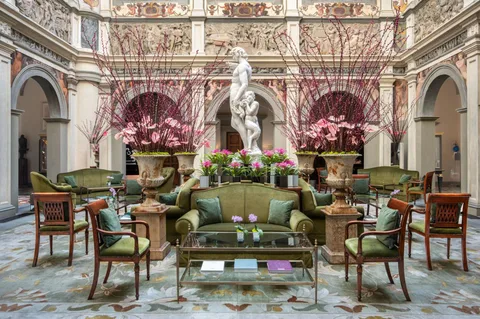
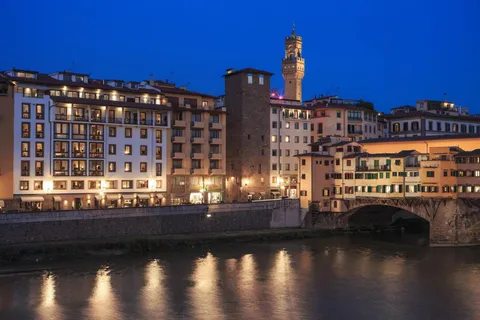
Where the hotels are
Questions
Florence, answered.
Should I stay in the centre or in Fiesole?
The centre suits a stay built around walking between museums, shops and restaurants. Fiesole suits travellers who want hillside quiet and views and are comfortable with a daily journey into town.
Do I need a car in Florence?
Not for a city stay. It becomes useful when continuing into the Tuscan countryside; plan to collect one on the way out and avoid the restricted central streets.
How many days do I need in Florence?
Three or four days covers the main museums and leaves time for the Oltrarno, the gardens and a trip up to Fiesole.
Booking help
Planning Florence?
Tell us your dates. We will suggest the right hotel and room, and help you book it.