 Independent hotel collection
 USD
 EUR
 GBP
 CHF
 AED
 SGD
 HKD
 THB
 JPY
 AUD
 CAD
 SEK
Australia · Queensland
Luxury hotels in the Great Barrier Reef
The Great Barrier Reef, island by island.
The world's largest coral reef system runs for more than 2,300 kilometres along the Queensland coast. The far north and the Whitsundays belong to very different parts of it, and the choice of island shapes the whole journey.
The Great Barrier Reef is not one reef but around 2,900 of them, with some 900 islands, stretching from the tip of Cape York south to the Bundaberg coast. Most of it is protected as a marine park and World Heritage Area. Coral cays, continental islands and outer ribbon reefs give each section its own character.
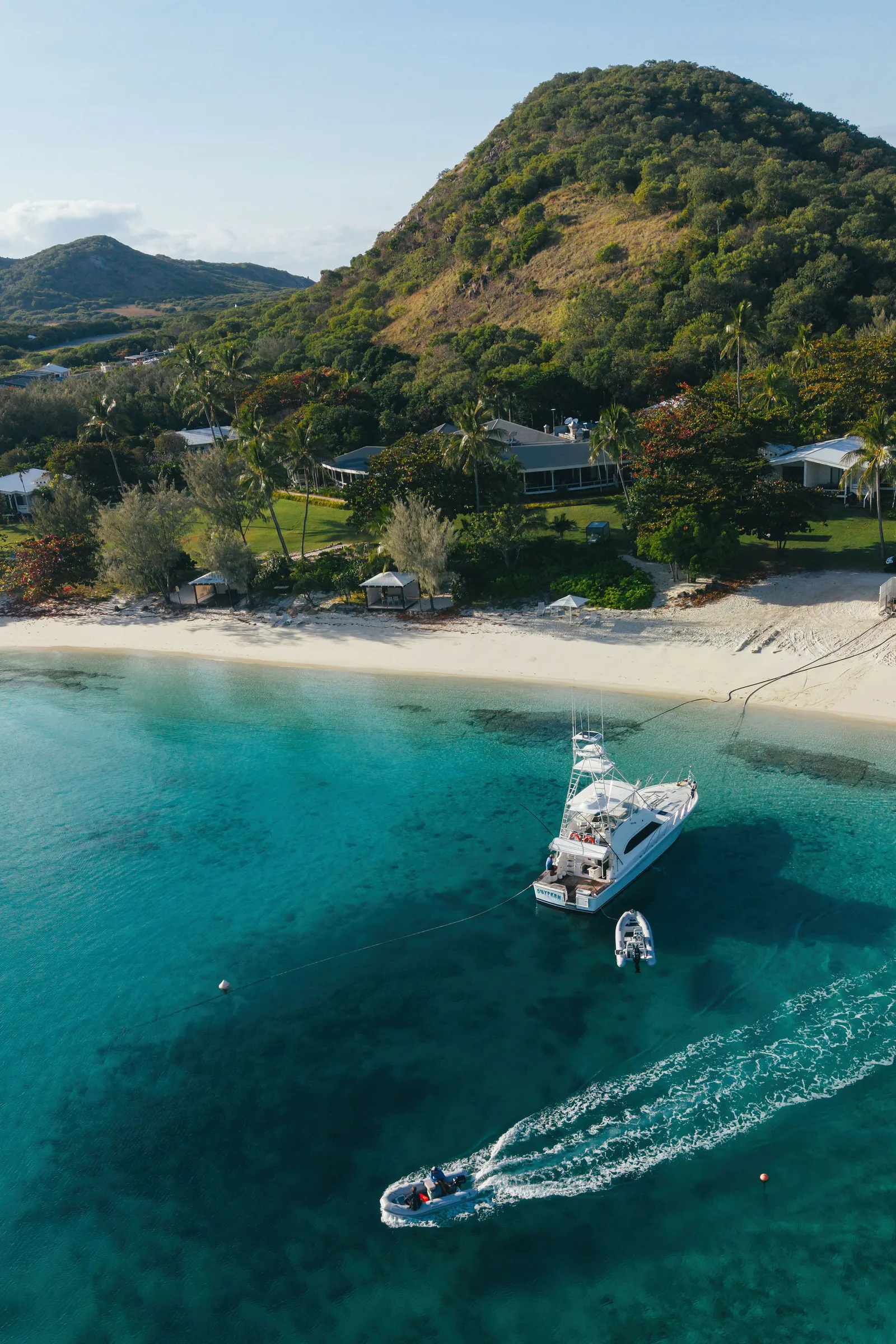
In the far north, Lizard Island lies about 240 kilometres north of Cairns, a granite national park island ringed by fringing reef, with the long Ribbon Reefs close by on the edge of the continental shelf. Further south, the Whitsundays are a group of 74 islands off the central Queensland coast, most of them national park, with sheltered passages, white silica beaches and the reef a boat or seaplane ride offshore.


Lizard Island and the far north
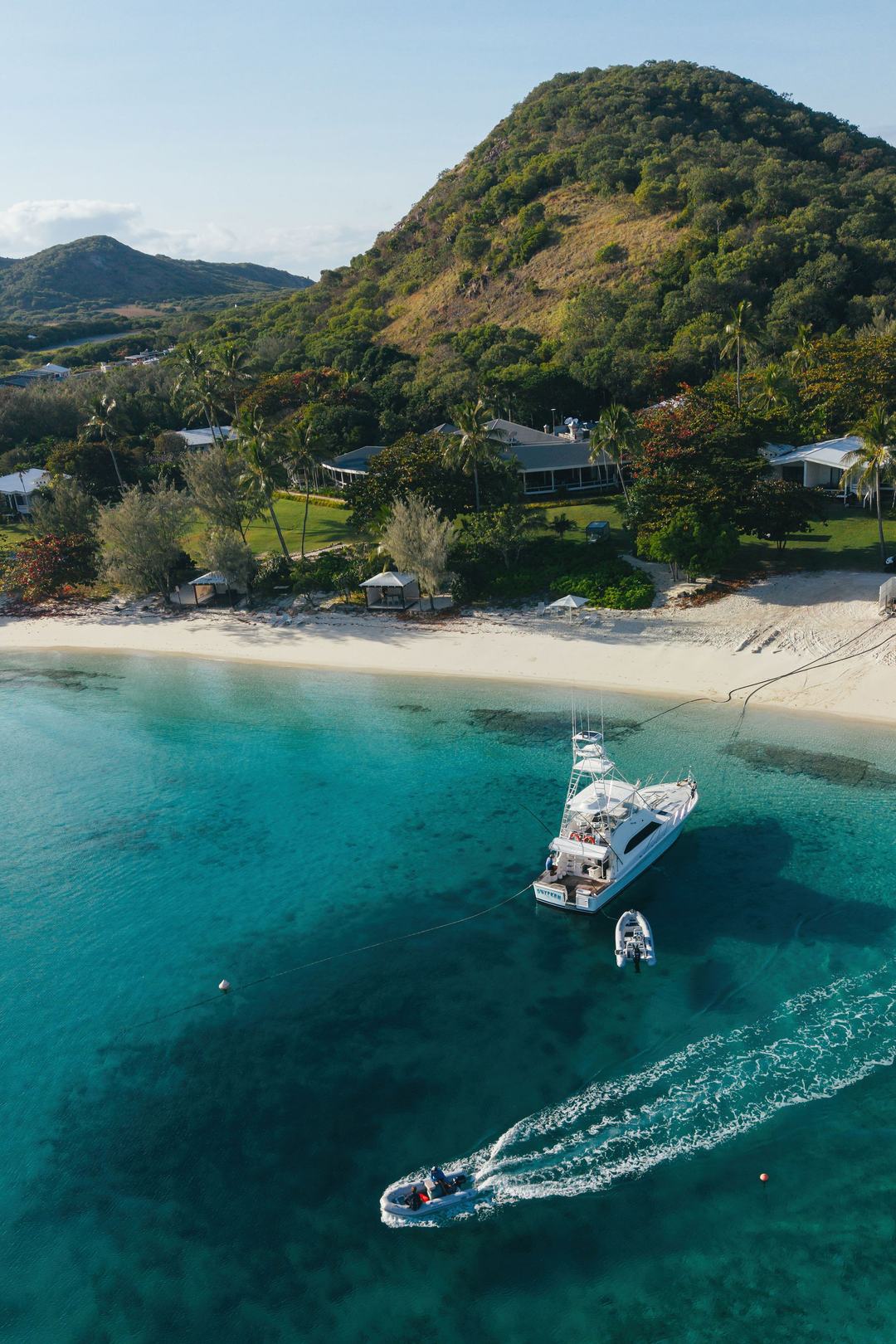
Lizard Island is a national park of granite hills, grassland and two dozen beaches, surrounded by some of the healthiest fringing reef close to shore. In 1770 James Cook climbed its highest point, now called Cook's Look, to find a passage out through the reef; the walk to the summit is still the island's classic hike. The Australian Museum has run a research station here since 1973.
Beyond the island, the Ribbon Reefs line the edge of the continental shelf. The Cod Hole, known for its giant potato cod, is one of the best-known dive sites on the reef, and dwarf minke whales visit these waters in the middle of the year.
The Whitsundays
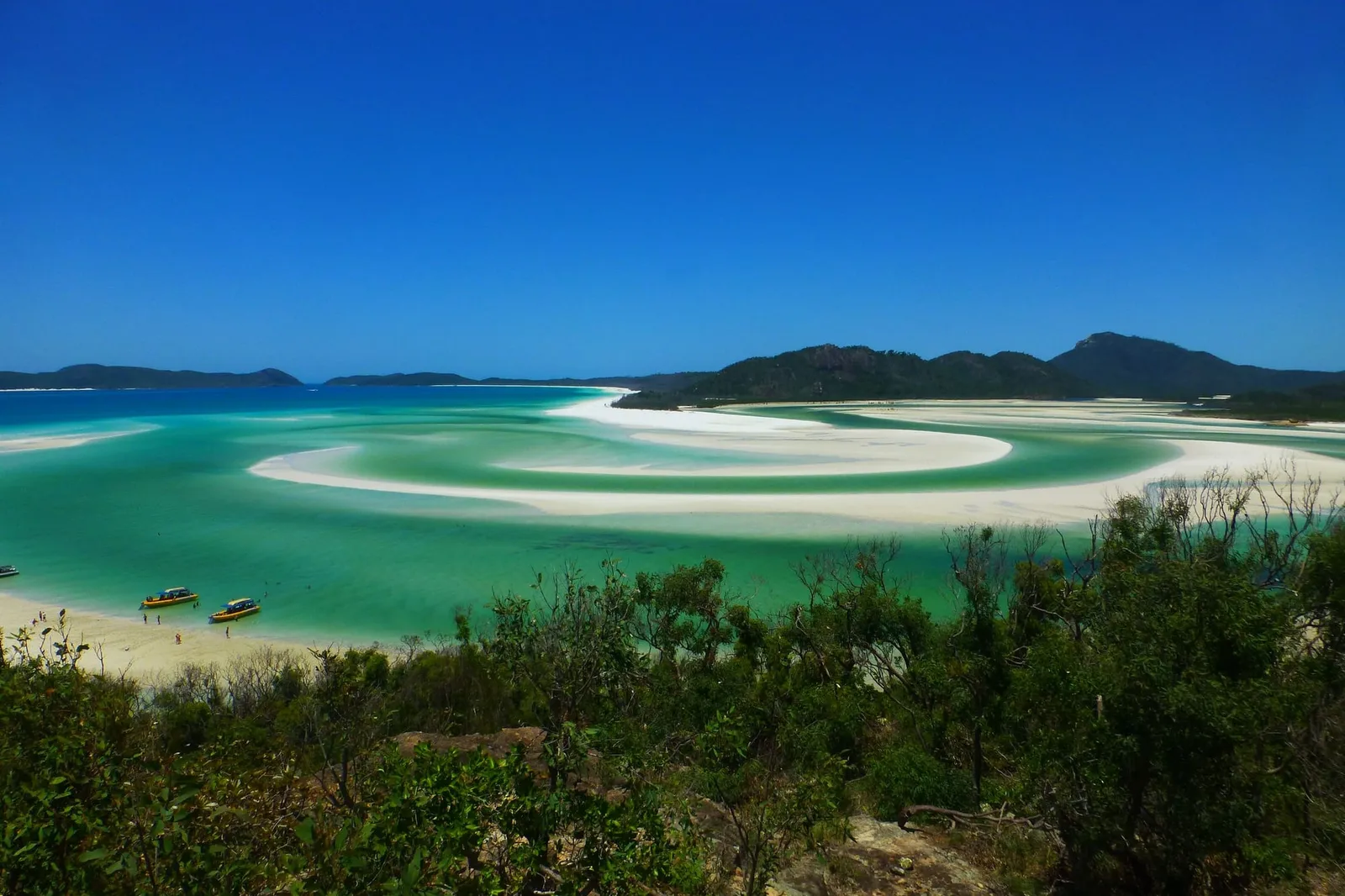
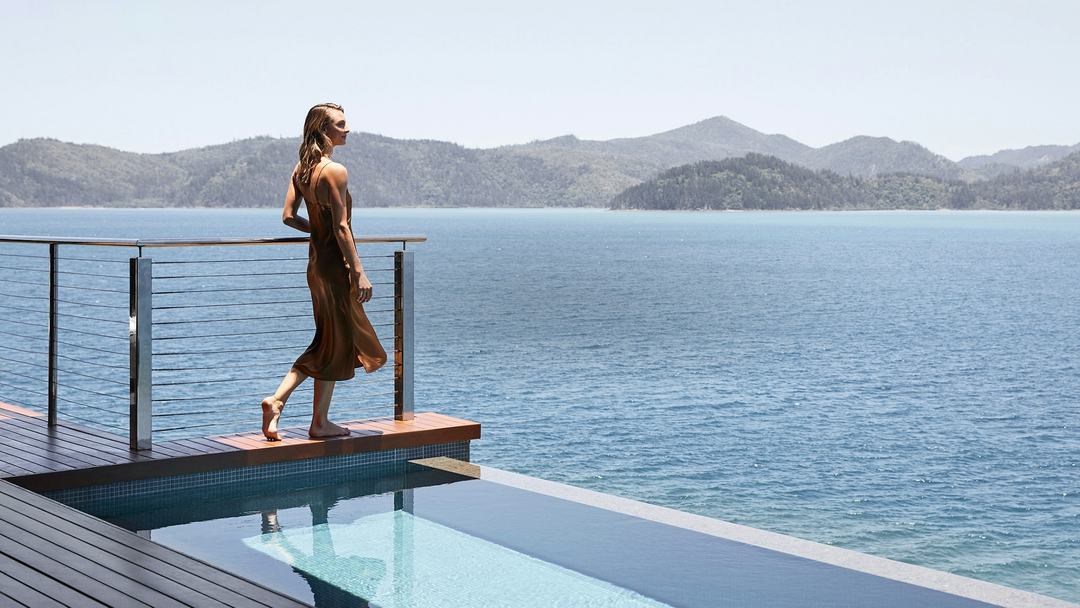
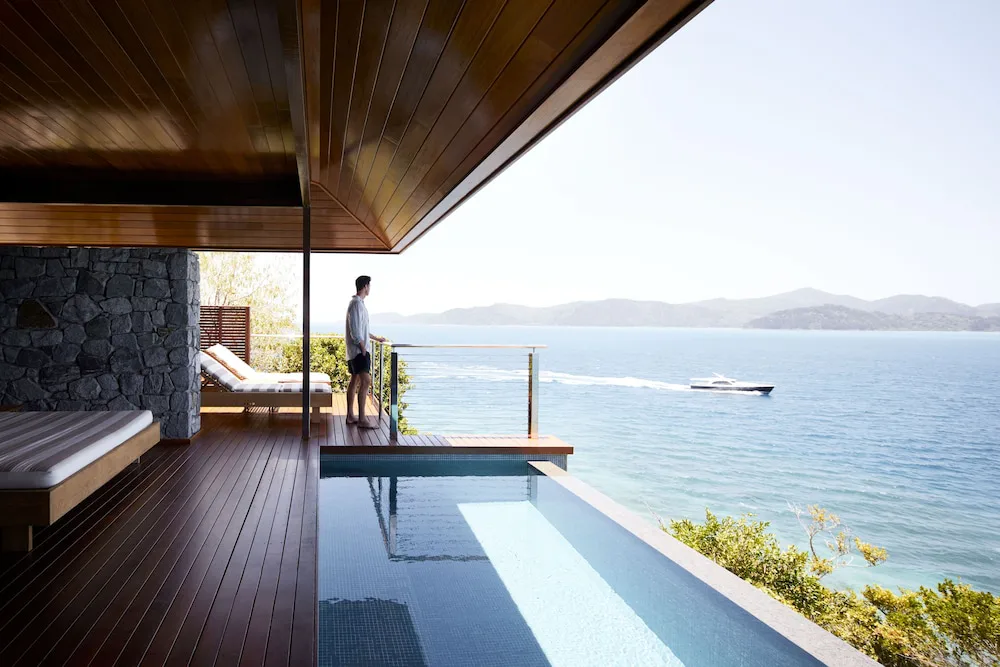
The Whitsundays are drowned mountain tops, steep and forested, with deep, sheltered channels between them that make this the sailing heart of the reef. Whitehaven Beach on Whitsunday Island, with the swirling sands of Hill Inlet at its northern end, is the most photographed beach in Australia.
The outer reef lies further offshore and is reached by boat, seaplane or helicopter; Heart Reef is a sight from the air. Humpback whales come through the islands from about July to September.
Keep the sea days movable
We suggest at least four or five nights once on the chosen island, particularly after a long international journey. Boat trips and scenic flights depend on wind and weather, so leave a spare day.
Between roughly November and May, marine stingers can be present in coastal waters, and a full-body stinger suit is the standard precaution for swimming and snorkelling. The reef's scale means local conditions always matter more than one label for the whole coast.
Great Barrier Reef in pictures
When to go
Great Barrier Reef through the year.
- Janquiet
- Febquiet
- Marquiet
- Aprgood
- Maybest
- Junbest
- Julbest
- Augbest
- Sepbest
- Octbest
- Novgood
- Decquiet
Best · May, Jun, Jul, Aug, Sep, Oct
The generally drier, cooler months, with clear water. Humpback whales pass through the Whitsundays from about July to September.
Good · Apr, Nov
Transition months, warm and usually quieter. Coral spawning often follows the full moons of late spring.
Quieter · Dec, Jan, Feb, Mar
Hot, humid and wetter, with the tropical cyclone and marine stinger seasons. Excursions can be affected by weather.
Getting there
Arriving in the Great Barrier Reef.
Each hotel page lists its address, check-in times and the hotel's own transfer times.
Good to know
- Lizard Island connects through Cairns; the Whitsundays are reached through Hamilton Island or Proserpine.
- Wear a stinger suit for ocean swimming from roughly November to May.
- Much of the reef and its islands are national park, with rules on anchoring, fishing and landing.
- Use reef-safe sun protection and never stand on coral.
Practical
Before you go.
- Getting there
- For the far north, fly to Cairns (CNS), then on by light aircraft to Lizard Island, about an hour. For the Whitsundays, Hamilton Island (HTI) has direct flights from several Australian cities, with Proserpine on the mainland as an alternative.
- When to go
- May to October is the generally drier, cooler season, with clear water and calmer days. November to May brings heat, rain and the marine stinger season.
- Our tip
- Decide between the far north and the Whitsundays before buying mainland flights. They are reached through different airports.
On the map
Where the hotels are

Questions
the Great Barrier Reef, answered.
Is the far north or the Whitsundays better for the reef?
The far north around Lizard Island puts fringing reef and the Ribbon Reefs close by. The Whitsundays are better for sailing, beaches and island hopping, with the outer reef a longer trip offshore.
When is the best time to visit the Great Barrier Reef?
May to October, when the weather is drier and cooler and stingers are less of a concern. The reef can be visited all year.
How long should I stay on one island?
We suggest at least four or five nights to justify the journey and give weather-dependent outings some flexibility.
Booking help
Planning the Great Barrier Reef?
Tell us your dates. We will suggest the right hotel and room, and help you book it.