 Independent hotel collection
 USD
 EUR
 GBP
 CHF
 AED
 SGD
 HKD
 THB
 JPY
 AUD
 CAD
 SEK
Estonia · Island guide
Luxury hotels in Hiiumaa
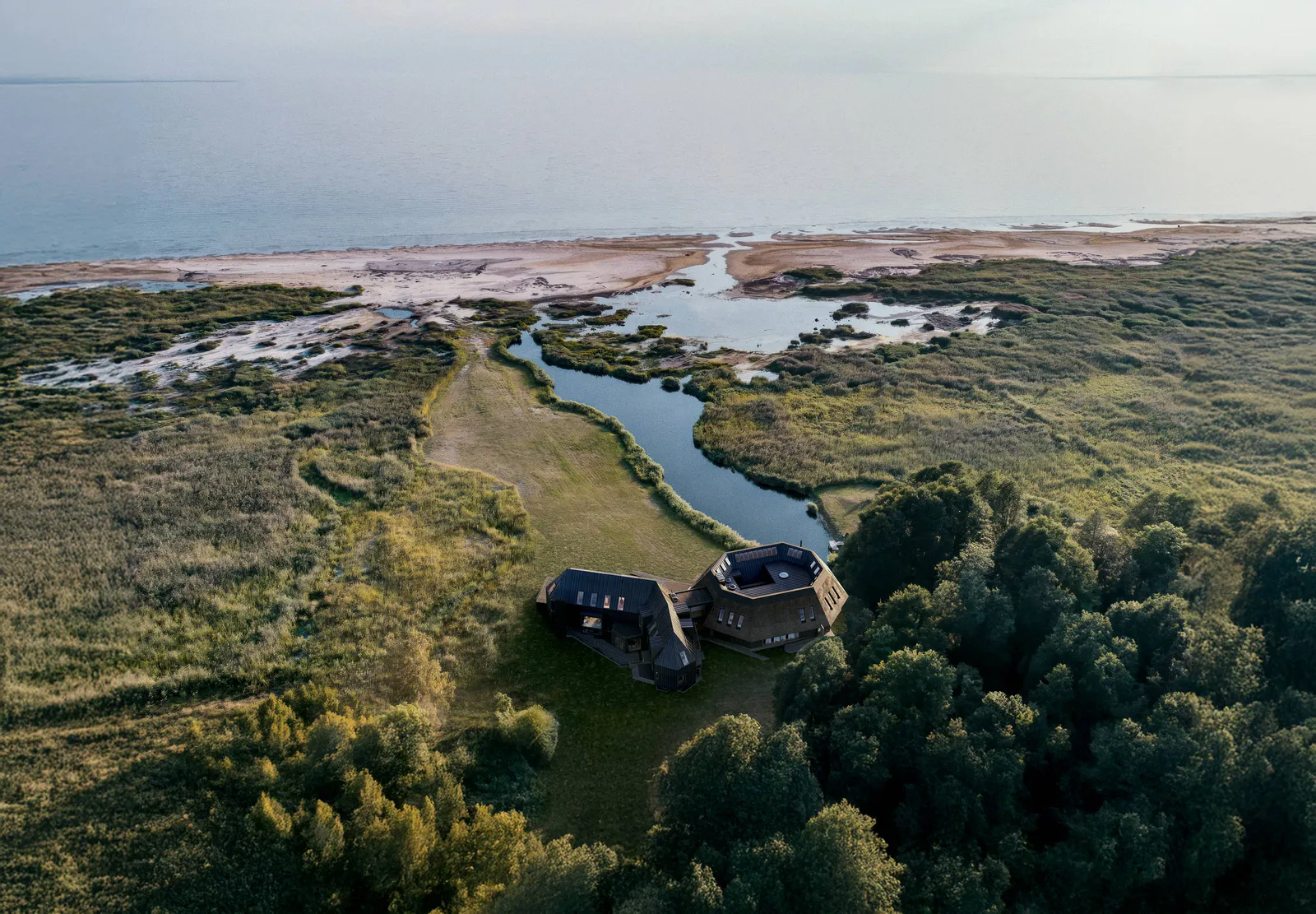
Hiiumaa, between forest and Baltic shore.
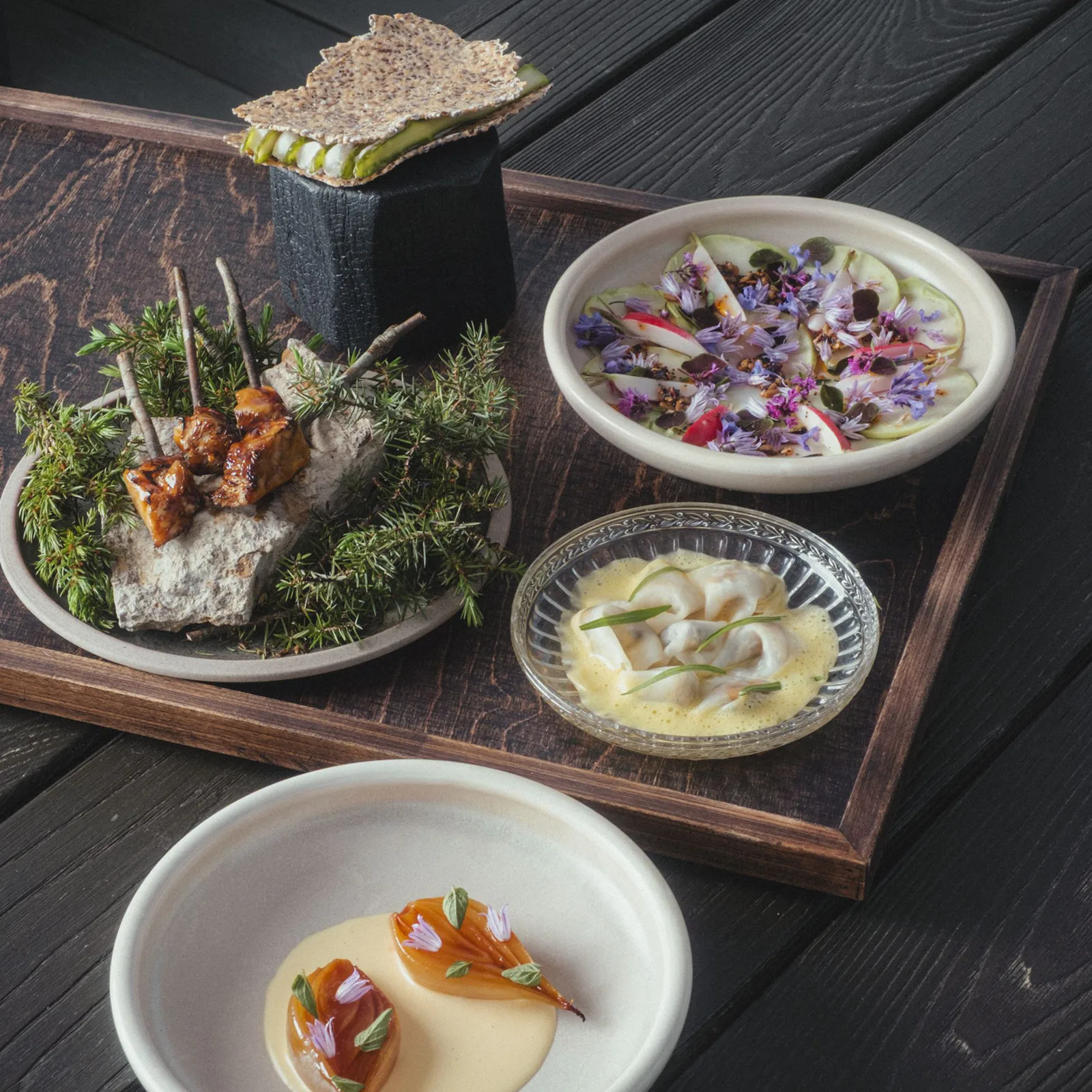
Reed roofs, coastal woodland and a journey across water define a stay on this Estonian island. Eha brings seasonal retreat programmes to the setting, with suites and forest houses, a thermal suite and a kitchen that follows local growing and foraging.
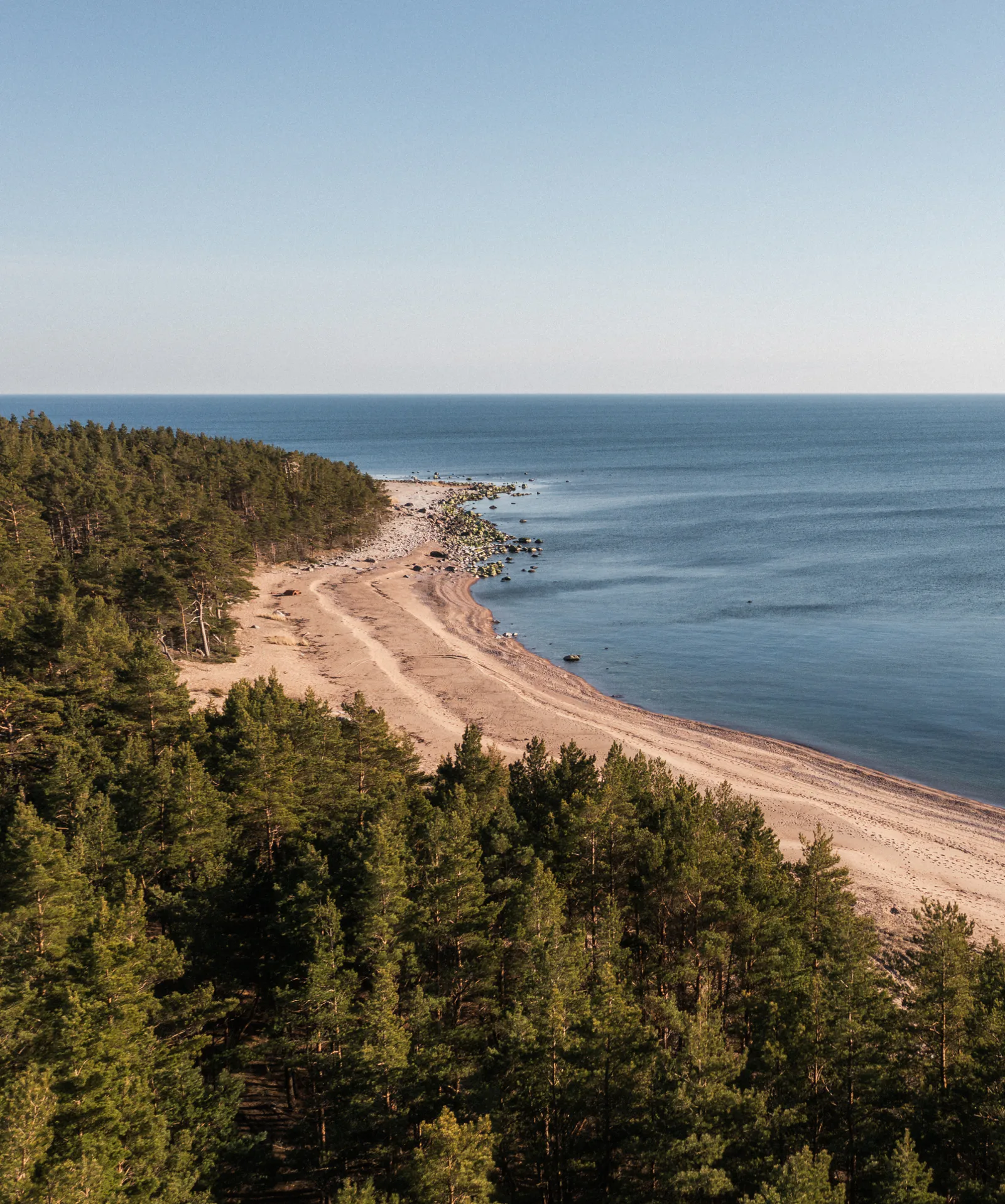
Hiiumaa lies in the Baltic Sea, within the West Estonian Archipelago Biosphere Reserve. Forest and coast shape the island experience. For a stay at Eha, that landscape is more than a view: guided walks, foraging, gardening and movement sit alongside the time spent in the thermal suite. Leave space for the grounds and the shoreline between scheduled sessions.
The choice of accommodation changes the balance between privacy and shared life. Eha offers suites, junior suites and forest houses. The houses sit among pines facing the sea, with private decks and outdoor hot tubs, while the suites place the stay within the main collection of buildings. Match the accommodation to the retreat programme before settling on dates.
Seasons matter here. Eha organises its calendar around autumn, winter, Springrise, spring and summer. Winter programmes emphasise rest; the longer days bring a different rhythm of movement and time outdoors. Programme length and inclusions vary, so consider the retreat as a complete stay rather than comparing nightly room prices.
The island connection deserves attention when planning flights. Tallinn is one route, with a domestic flight onward to Kärdla. Eha says the arrival transfer from Kärdla airport is included, while airfare is separate. A transfer and ferry journey from the mainland can also be arranged at additional cost. An overnight stop in Tallinn may help when the international and island connections do not line up.
The shape of the island
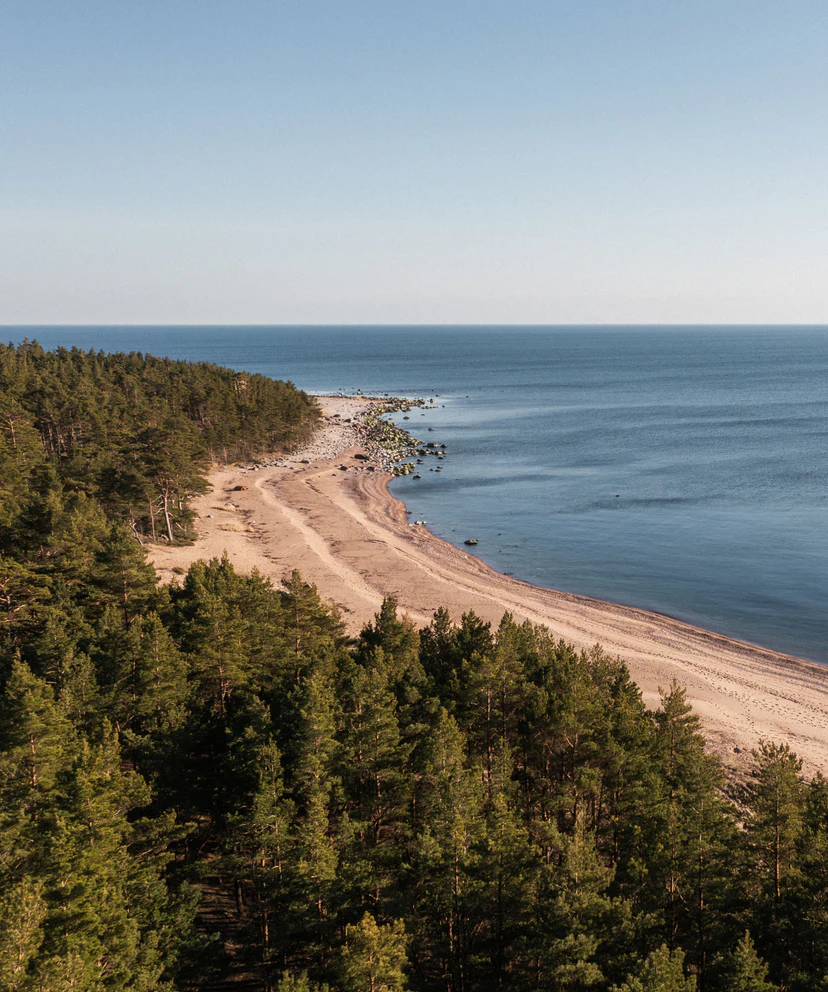
Hiiumaa is Estonia's second-largest island, north of Saaremaa and about 22 kilometres from the mainland. The main island covers about 989 square kilometres, and forest covers roughly two-thirds of it. The outline is a rough cross: Tahkuna to the north, the Kõpu peninsula to the west, Sõru to the south and Sarve to the east. Kärdla, on the north coast, is the main town. Settlement is thin, about nine people to the square kilometre, and the road from Heltermaa to Kärdla passes woodland more than towns.
Tornimägi, on the Kõpu peninsula, is the highest point in western Estonia, at 68 metres. Beaches lie mostly along the north and west coasts. Kassari, joined to the southeast, is the largest of the smaller islands beside Hiiumaa, and Sääretirp is the long spit at its tip. A waymarked trail of about 234 kilometres leaves Heltermaa and circles the island.
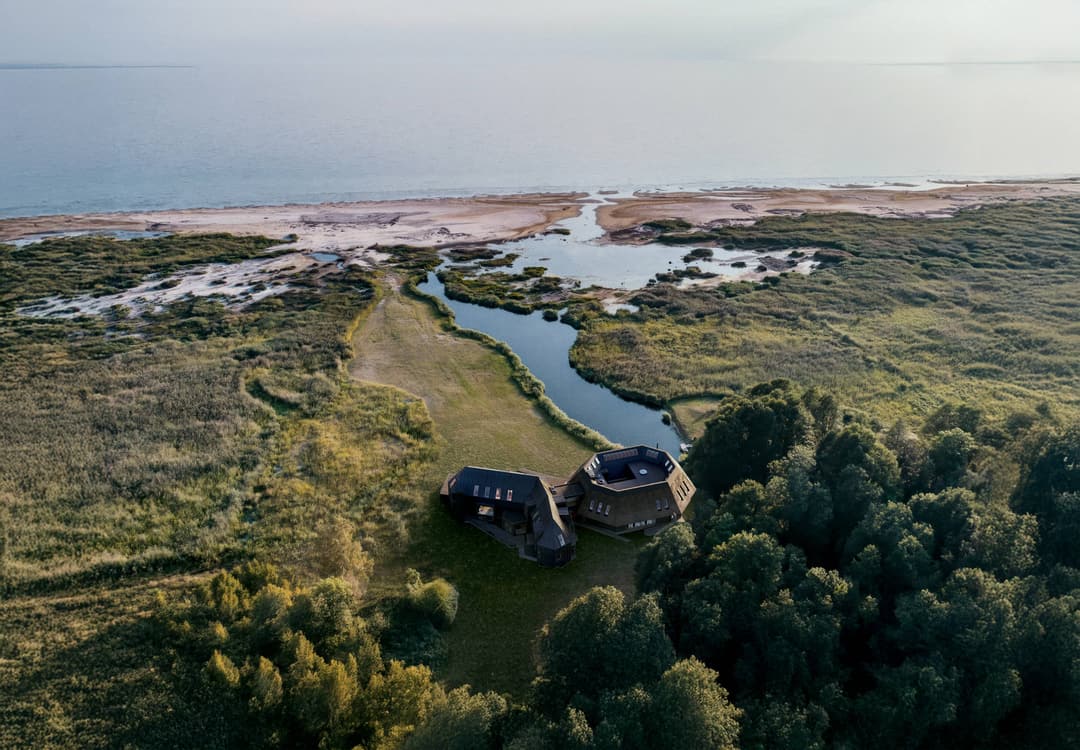
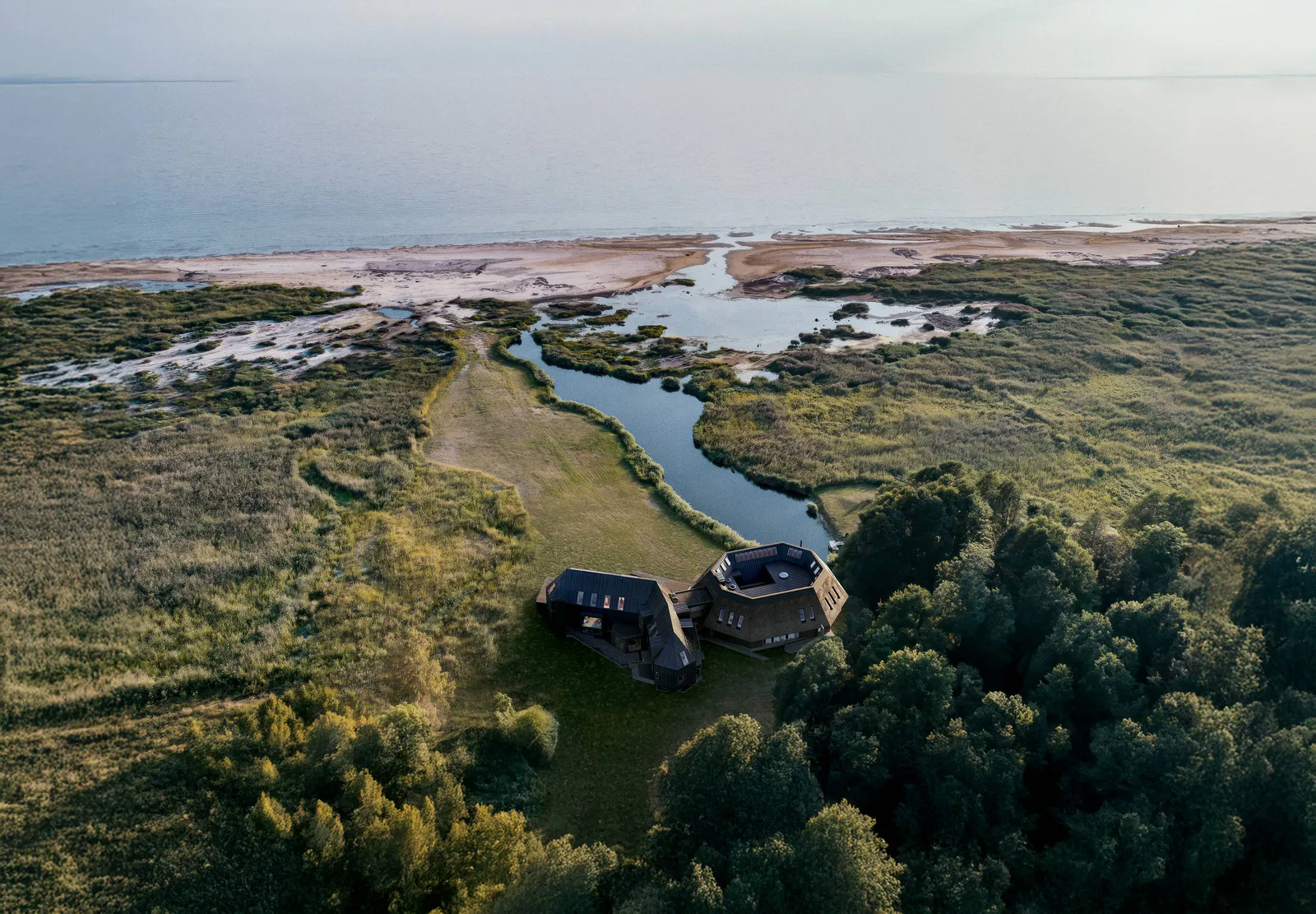
Eha stands in that woodland, with reed-thatched buildings by the Estonian architect Tiit Trummal. The calendar runs through autumn, winter, Springrise, spring and summer, in three- and five-night programmes. Peeter Pihel leads the kitchen, working from plants, fish, island growers and the retreat's own garden. The thermal suite and the forest houses belong to the same stay.
Lighthouses on the western point
Kõpu is one of the oldest lighthouses still in use. Tallinn's merchants raised it in the 16th century on Tornimägi, so ships could clear the shallow water west of the island. Tahkuna, on the northern point, and Ristna, at the western end of the same peninsula, are later cast-iron towers. Visit Estonia notes that both were designed and made in France. They are a day's drive from Kärdla, not a walk from a hotel door. A hire car is the straightforward way to see more than one in a day.
Crossing from the mainland
The usual road arrival is the car ferry from Rohuküla, on the mainland, to Heltermaa. The crossing takes about an hour and a quarter, and summer weekends fill, so a car space is worth booking ahead. A smaller ferry links Triigi on Saaremaa with Sõru in the south of Hiiumaa. Flights from Tallinn to Kärdla take about 30 minutes. Eha includes the ground transfer from Kärdla airport and not the airfare. Ferry transfers and a private helicopter are extra. When the international flight and the island connection do not meet, a night in Tallinn joins them without a rush.
Hiiumaa in pictures
When to go
Hiiumaa through the year.
- Janquiet
- Febquiet
- Margood
- Aprgood
- Maygood
- Junbest
- Julbest
- Augbest
- Sepgood
- Octquiet
- Novquiet
- Decquiet
Best · Jun, Jul, Aug
June, July and August bring the long light and the warmest sea. Forest tracks and the north and west coasts are both usable, and Eha's summer programmes sit in this window.
Good · May, Sep
May and September are for walking. The sea is cooler than in high summer, and the roads are quieter.
Good · Mar, Apr
March and April are Springrise, the short season Eha names between ice and bloom. The weather turns quickly, and a coat still belongs in the bag.
Quieter · Jan, Feb, Oct, Nov, Dec
October through February is dark and still, with a milder sea climate than inland Estonia. The ferry remains the dependable link. Eha's winter programmes are built around rest, not a long day outside.
Getting there
Arriving in Hiiumaa.
Each hotel page lists its address, check-in times and the hotel's own transfer times.
Good to know
- The car ferry runs from Rohuküla on the mainland to Heltermaa. A second ferry links Sõru, in the south of Hiiumaa, with Triigi on Saaremaa. Flights from Tallinn to Kärdla take about 30 minutes.
- Kõpu lighthouse stands on Tornimägi, 68 metres above the sea, and dates from the 16th century. Tahkuna and Ristna, on the same western peninsula, are later cast-iron towers.
Practical
Before you go.
- Setting
- Baltic island in Estonia
- Stays
- Seasonal retreat programmes at Eha
- Arrival
- Plan the island flight or ferry connection alongside the retreat dates
Retreat programmes
Plan your retreat
Explore programme dates, accommodation and inclusions on the retreat's official calendar.
View retreat dates