 Independent hotel collection
 USD
 EUR
 GBP
 CHF
 AED
 SGD
 HKD
 THB
 JPY
 AUD
 CAD
 SEK
Kenya · The southwest
Luxury hotels in the Masai Mara
The Mara, beyond the migration.
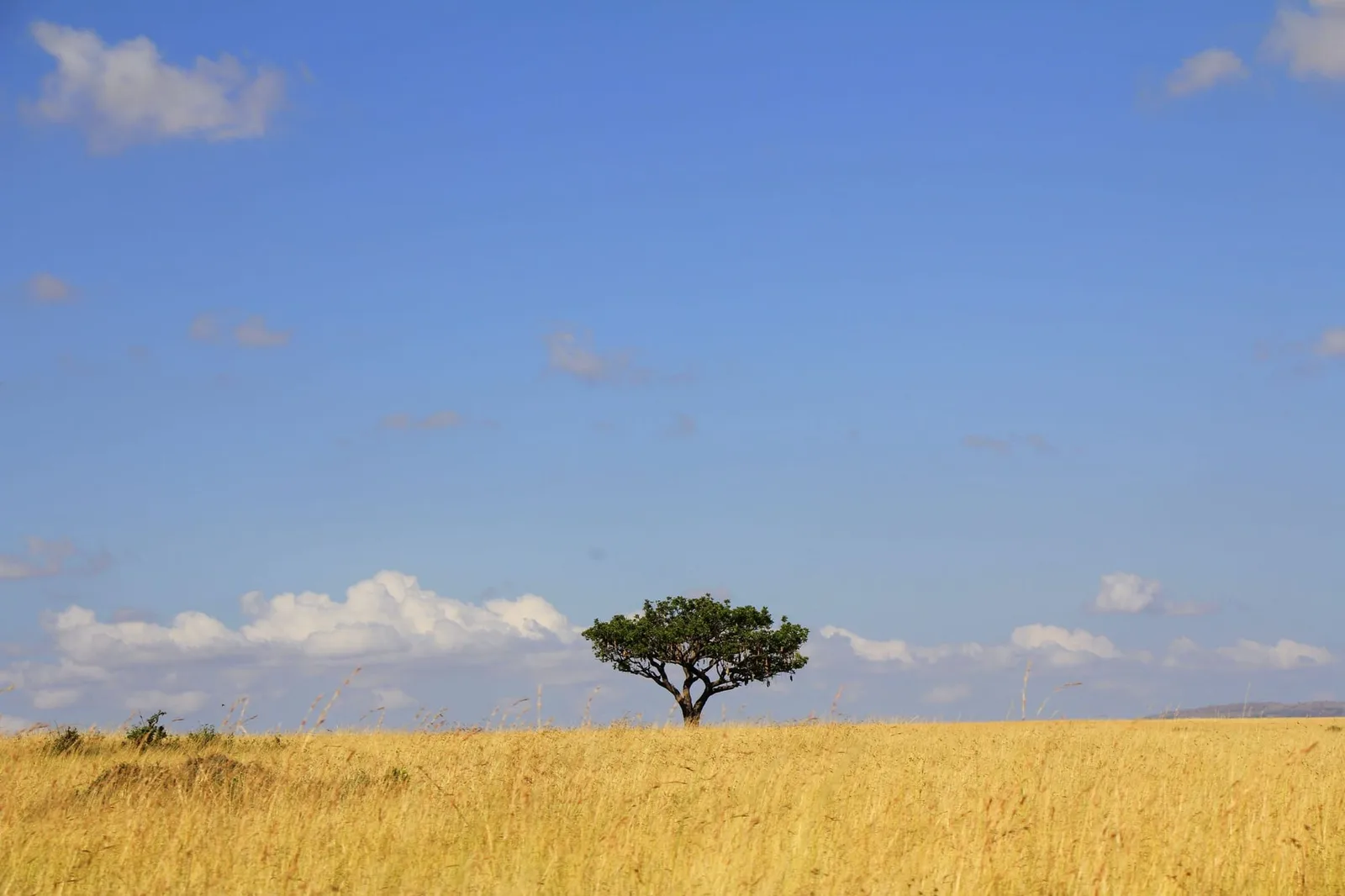
The Maasai Mara ecosystem extends beyond the national reserve into a ring of community conservancies. A safari here is shaped by open grassland, the Mara River and the daily movement of resident wildlife, not only by one annual spectacle.
The Mara is the Kenyan end of the Serengeti ecosystem, a sweep of rolling grassland, acacia and riverine forest on the border with Tanzania. The Maasai Mara National Reserve covers about 1,510 square kilometres in Narok County; its western part, the Mara Triangle, lies between the Mara River and the Oloololo Escarpment.
Around the reserve, Maasai landowners have leased their land to a series of conservancies, among them Olare Motorogi, Mara North and Naboisho. They limit the number of camps and vehicles, and allow what the reserve does not: night drives, guided walks and driving off-road to a sighting. Lions, leopards and cheetahs live here all year, alongside elephant, buffalo, giraffe and topi.
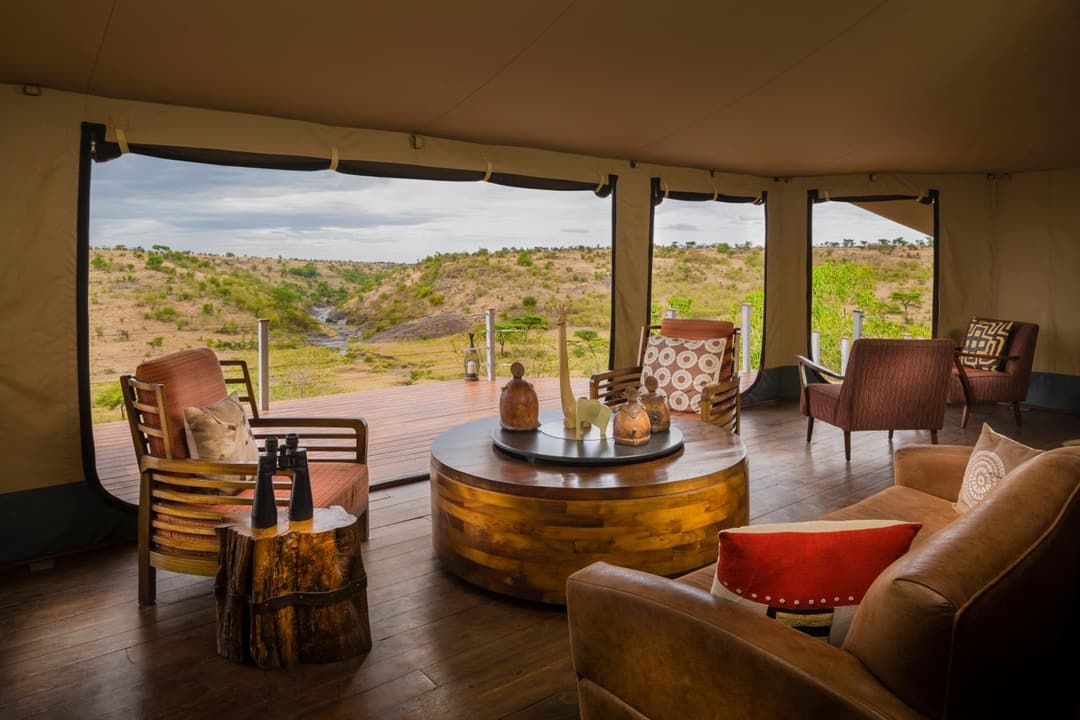
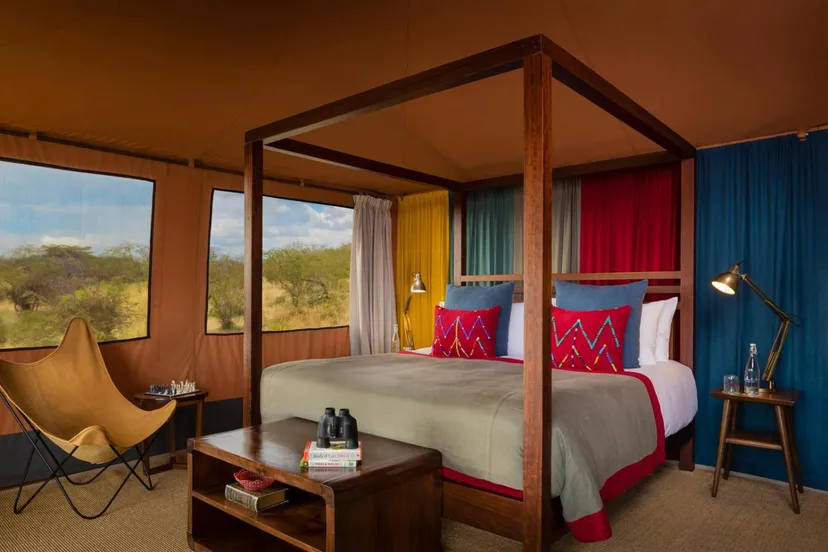

Reserve and conservancies
The national reserve has the Mara River and the famous crossings, but also the most vehicles at peak season. The conservancies on its northern and eastern edges were created by agreement with Maasai landowners, who are paid for the use of their land; camp numbers are capped, and only guests staying inside a conservancy can drive there.
Most conservancy safaris include occasional days into the reserve, so the two work together rather than as alternatives. Ask how a day in the reserve is arranged, and what the separate fees are.
Give wildlife time
We suggest at least three nights for a first safari here, with four offering more room for different drives and a slower interval in camp. A single afternoon cannot stand for a whole landscape.
Migration movements and river crossings are not appointments. The herds usually reach the Mara from the Serengeti around July and turn south again in October or November, but timing changes every year. The useful luxury is time with a knowledgeable guide and enough repetition to notice change.
Days on the plains
Safari days follow the light: an early drive at dawn, when the cats are most active, a long middle of the day in camp, and a second drive into the evening. A hot-air balloon flight at sunrise is a Mara tradition, ending with breakfast on the plains.
The Mara sits at around 1,500 metres or more, so mornings and evenings are cool even when the days are warm. Bring layers for open vehicles.
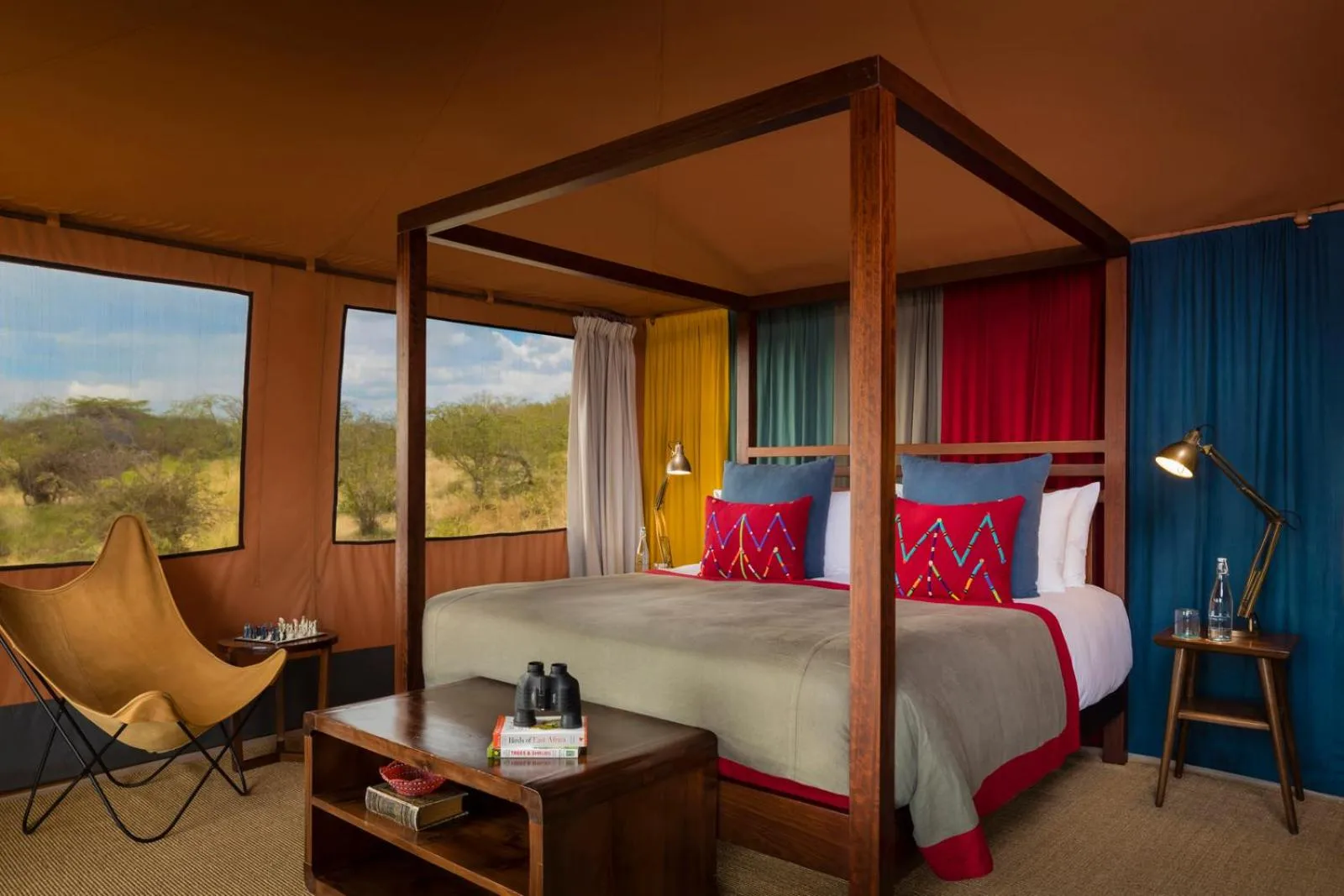
Masai Mara in pictures
When to go
Masai Mara through the year.
- Jangood
- Febgood
- Margood
- Aprquiet
- Mayquiet
- Jungood
- Julbest
- Augbest
- Sepbest
- Octbest
- Novgood
- Decgood
Best · Jul, Aug, Sep, Oct
The driest months and the usual window for the wildebeest migration and Mara River crossings; timing still depends on the rains.
Good · Jan, Feb, Mar, Jun, Nov, Dec
Quieter months with good resident wildlife. Short rains usually fall around November and December, with green landscapes and young animals early in the year.
Quieter · Apr, May
The long rains. Tracks can be muddy and drives slower, but the plains are green and visitors few.

Each hotel page lists its address, check-in times and the hotel's own transfer times.
Good to know
- Jomo Kenyatta and Wilson are different Nairobi airports, with a road transfer between them.
- Light aircraft to the Mara have strict luggage limits, usually soft bags only.
- Conservancy and reserve fees are separate. Check which apply on a given day.
- Kenya is a malaria area. Speak to a travel doctor well before you go.
Practical
Before you go.
- Getting there
- International flights land at Nairobi Jomo Kenyatta (NBO). Light aircraft to the Mara airstrips leave from Nairobi's Wilson Airport, a road transfer away, and take about 45 minutes to an hour.
- When to go
- July to October brings the wildebeest migration and the driest weather. Wildlife is present all year, and the green months are quieter.
- Our tip
- Spend at least part of the safari in a conservancy, where night drives and walks show a side of the Mara the reserve does not allow.

Questions
the Masai Mara, answered.
When is the migration in the Masai Mara?
The herds usually arrive from the Serengeti around July and stay until October or November, with river crossings during that time. Exact timing varies every year and no crossing can be guaranteed.
What is the difference between the reserve and a conservancy?
The national reserve is open to all visitors and holds the Mara River crossings. Conservancies cap camp and vehicle numbers and allow night drives, walks and off-road driving.
How long should a Mara safari be?
At least three nights, with four giving time for different drives and a slower pace.
Booking help
Planning the Masai Mara?
Tell us your dates. We will suggest the right hotel and room, and help you book it.