 Independent hotel collection
 USD
 EUR
 GBP
 CHF
 AED
 SGD
 HKD
 THB
 JPY
 AUD
 CAD
 SEK
Norway · The city
Luxury hotels in Oslo
From the city streets to the fjord.
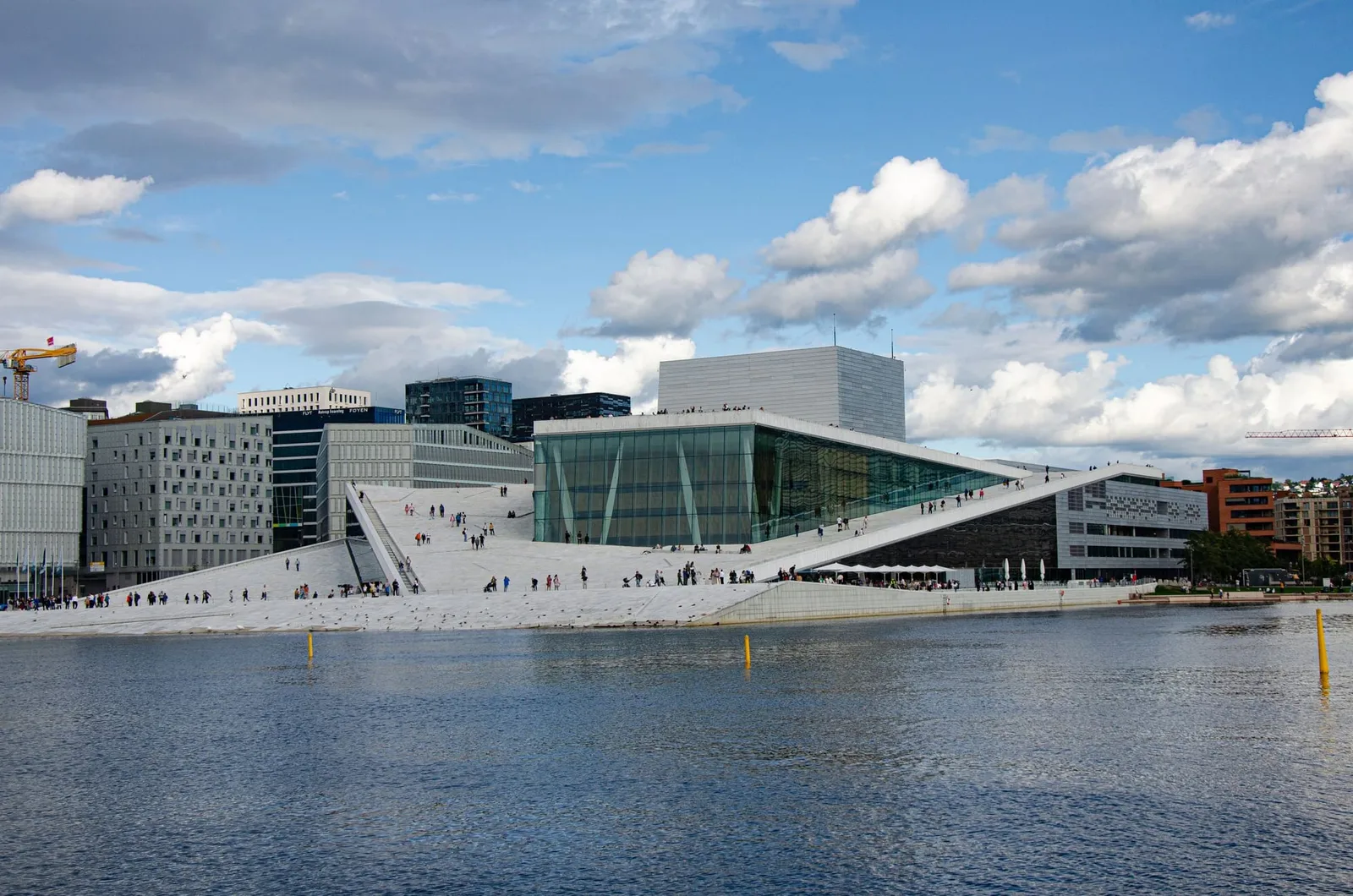
Oslo's centre unfolds towards the fjord, where galleries, promenades and new architecture have changed the edge of the city. Forest and lakes begin at the end of the metro lines, and island ferries leave from the harbour.
Oslo is a capital where the outdoors is always close. The city sits at the head of the Oslofjord, its waterfront remade over two decades into a promenade of museums and public space, while the Nordmarka forest rises behind the northern suburbs, reachable by metro.


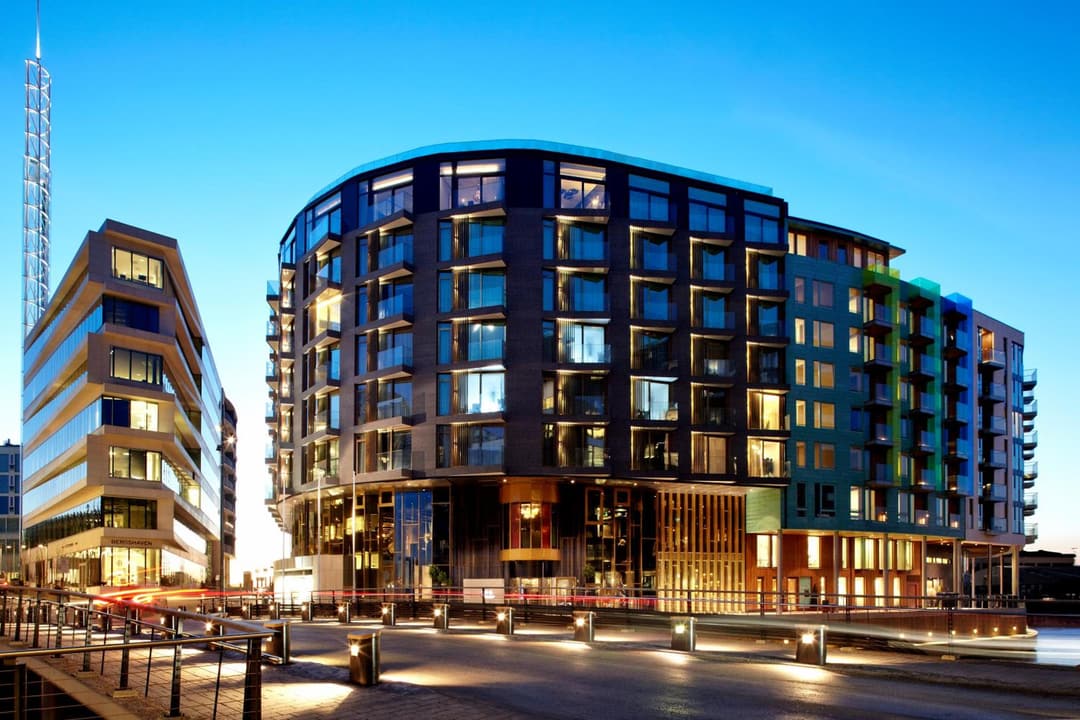


Follow the water
The harbour promenade makes a natural thread through a first visit. In the east, the white marble roof of the Opera House slopes down into the fjord and can be walked on. Beside it, MUNCH holds the largest collection of Edvard Munch's work, and the National Museum, which opened in 2022 near City Hall, brings together Norway's main collections of art, architecture and design.
Westward, Akershus Fortress guards the harbour, and Aker Brygge leads on to Tjuvholmen, where the Astrup Fearnley Museum and a small city beach sit at the end of the promenade. Floating saunas along the waterfront offer a cold-water swim year-round.
The city and its edges
Vigeland Park in Frogner fills an avenue with more than 200 sculptures by Gustav Vigeland. Grünerløkka, on the east side of the Akerselva river, has the cafés, vintage shops and food halls. Across the harbour, the Bygdøy peninsula gathers the Norwegian Folk Museum, the Fram polar ship and the Kon-Tiki raft, reached by ferry in summer.
Beyond the centre, the metro climbs to Holmenkollen and its ski jump, the gateway to the Nordmarka forest for walks in summer and cross-country skiing in winter. In summer, the island ferries from the harbour, covered by an ordinary city transport ticket, reach Hovedøya and the other islands of the inner fjord.
A city chapter before the fjords
Two or three nights make a good introduction, with more time for a museum-led visit. Oslo can sit before or after western Norway, but the journey between regions deserves its own place in the itinerary. In June, the sun sets after 10.30 in the evening; in December, it is down to around six hours, and the city turns to museums, restaurants and Christmas markets.
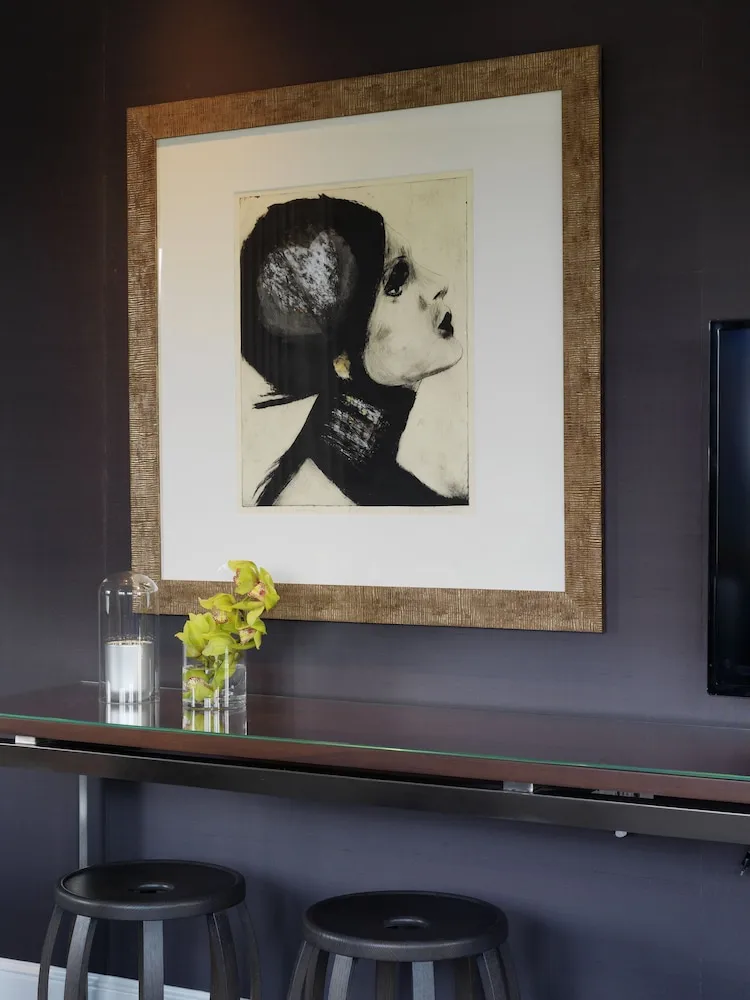
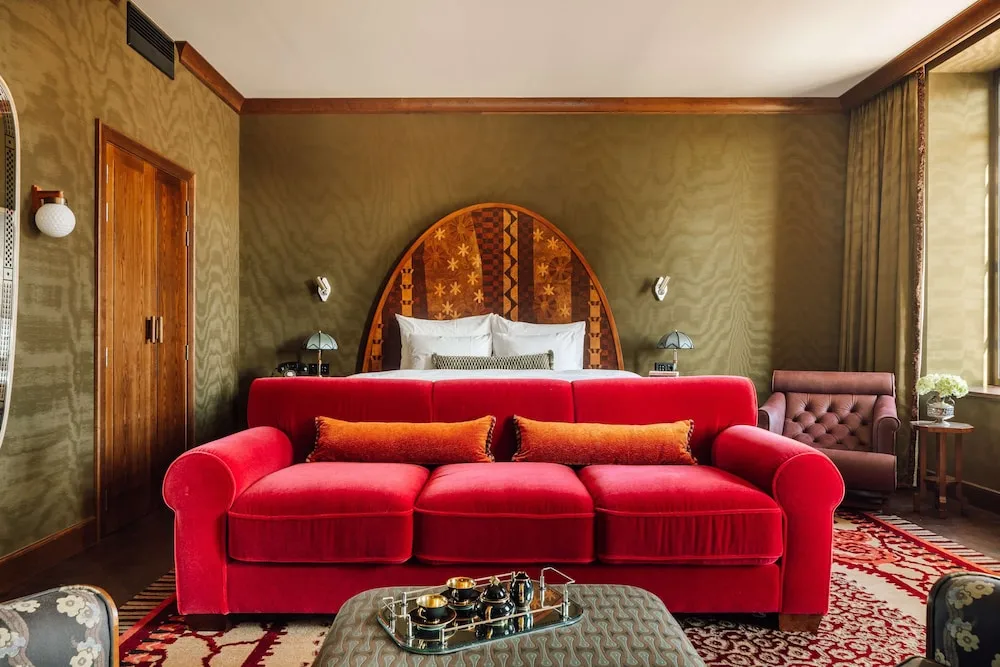
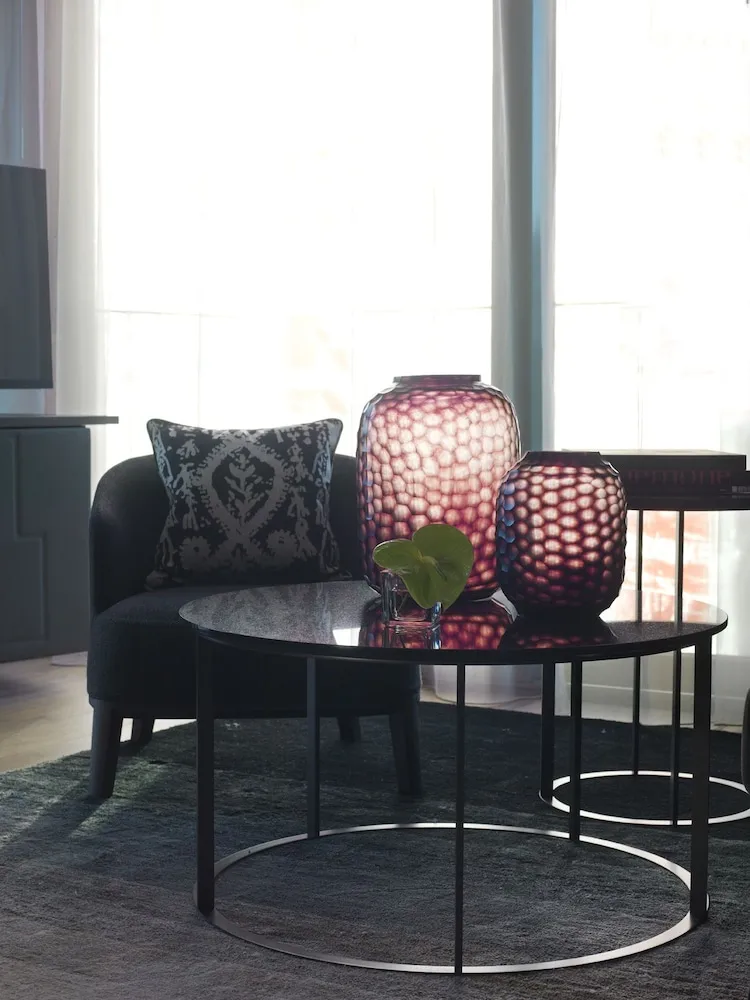
Oslo in pictures
When to go
Oslo through the year.
- Janquiet
- Febquiet
- Margood
- Aprgood
- Maybest
- Junbest
- Julbest
- Augbest
- Sepbest
- Octgood
- Novquiet
- Decquiet
Best · May, Jun, Jul, Aug, Sep
Long days for waterfront walks, island ferries, swimming and time in the forest.
Good · Mar, Apr, Oct
A flexible cultural stay works around changing weather and daylight.
Quieter · Nov, Dec, Jan, Feb
Short days for museums and restaurants, with skiing in the hills when snow allows and Christmas markets in December.
Getting there
Arriving in Oslo.
Each hotel page lists its address, check-in times and the hotel's own transfer times.
Good to know
- The Flytoget airport express reaches Oslo Central Station in about 20 minutes.
- City transport tickets cover the metro, trams, buses and the island ferries in the inner fjord.
- Arrange major museum visits around their opening days; some close on Mondays.
- Card payment is accepted almost everywhere, even for small purchases.
Practical
Before you go.
- Getting there
- Oslo Airport (OSL), then the Flytoget airport express to Oslo Central Station in about 20 minutes, or the slightly slower regional train.
- When to go
- Summer for long waterfront days; winter for skiing in the hills and a more interior city stay.
- Our tip
- Take a harbour ferry to Hovedøya on a summer afternoon for a swim and the ruins of a medieval monastery.
On the map
Where the hotels are
Questions
Oslo, answered.
How long should I stay in Oslo?
Two or three nights makes a useful introduction. Add time if museums, architecture or specific restaurants are the main focus.
Can Oslo be the base for the western fjords?
It is better treated as a separate city chapter. Give the journey to the Ålesund and Sunnmøre area its own place in the trip rather than planning it as a casual day outing.
Which area is best to stay in?
The centre and the waterfront put the museums and harbour within walking distance. Frogner is quieter and residential, and Grünerløkka suits travellers who want cafés and nightlife.
Booking help
Planning Oslo?
Tell us your dates. We will suggest the right hotel and room, and help you book it.