 Independent hotel collection
 USD
 EUR
 GBP
 CHF
 AED
 SGD
 HKD
 THB
 JPY
 AUD
 CAD
 SEK
Italy · The heel of Italy
Luxury hotels in Puglia
Between the olive groves and the Adriatic.
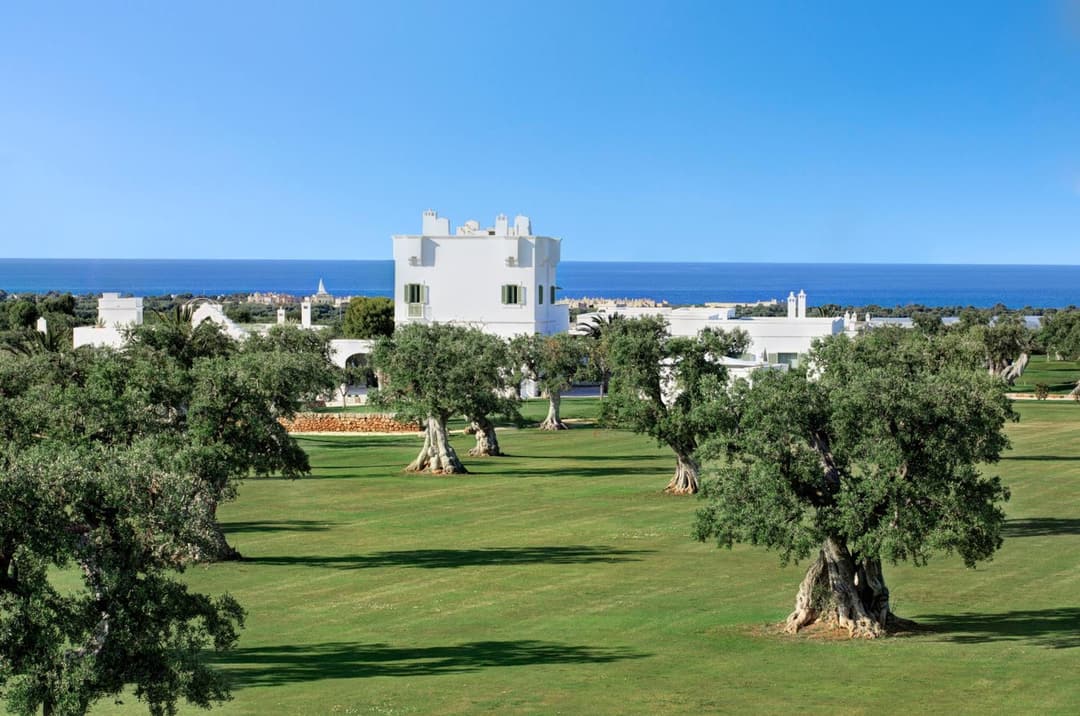
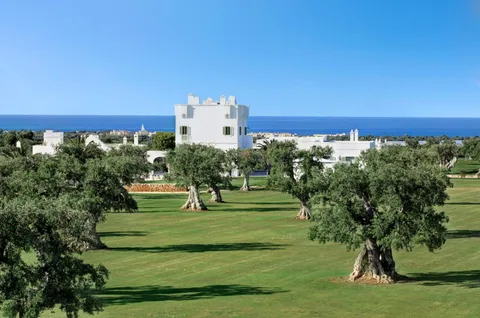
Around Fasano and Savelletri, the Adriatic coast meets a plain of ancient olive trees, fortified farm estates and the white towns of the Valle d'Itria. Beach mornings and inland afternoons fit easily into the same holiday.
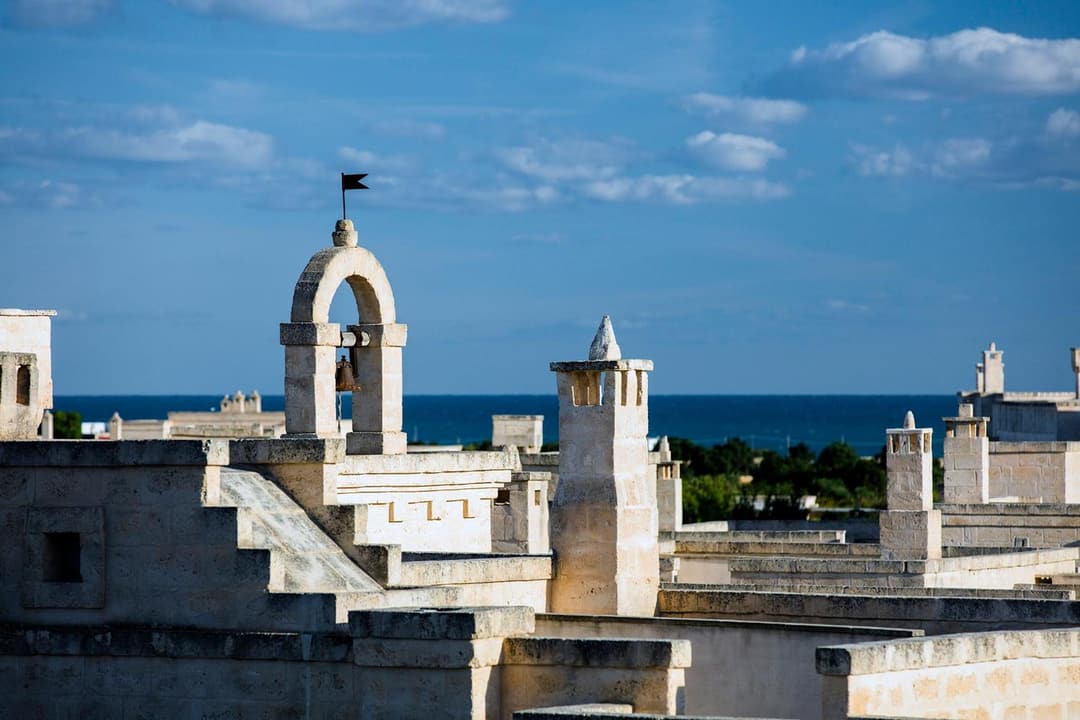
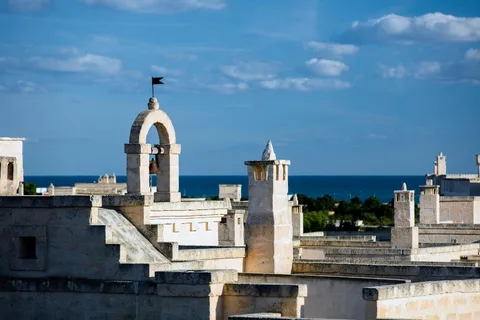
This stretch of Puglia, between Bari and Brindisi, is a plain of red earth and olive groves running down to a low, rocky coast. Some of the trees are many centuries old, and the masserie, fortified farmhouses built to guard them, are scattered across the land. Savelletri is a small fishing village on the shore, and just inland rise the hills of the Valle d'Itria with their trulli and white towns.

The coast around Savelletri
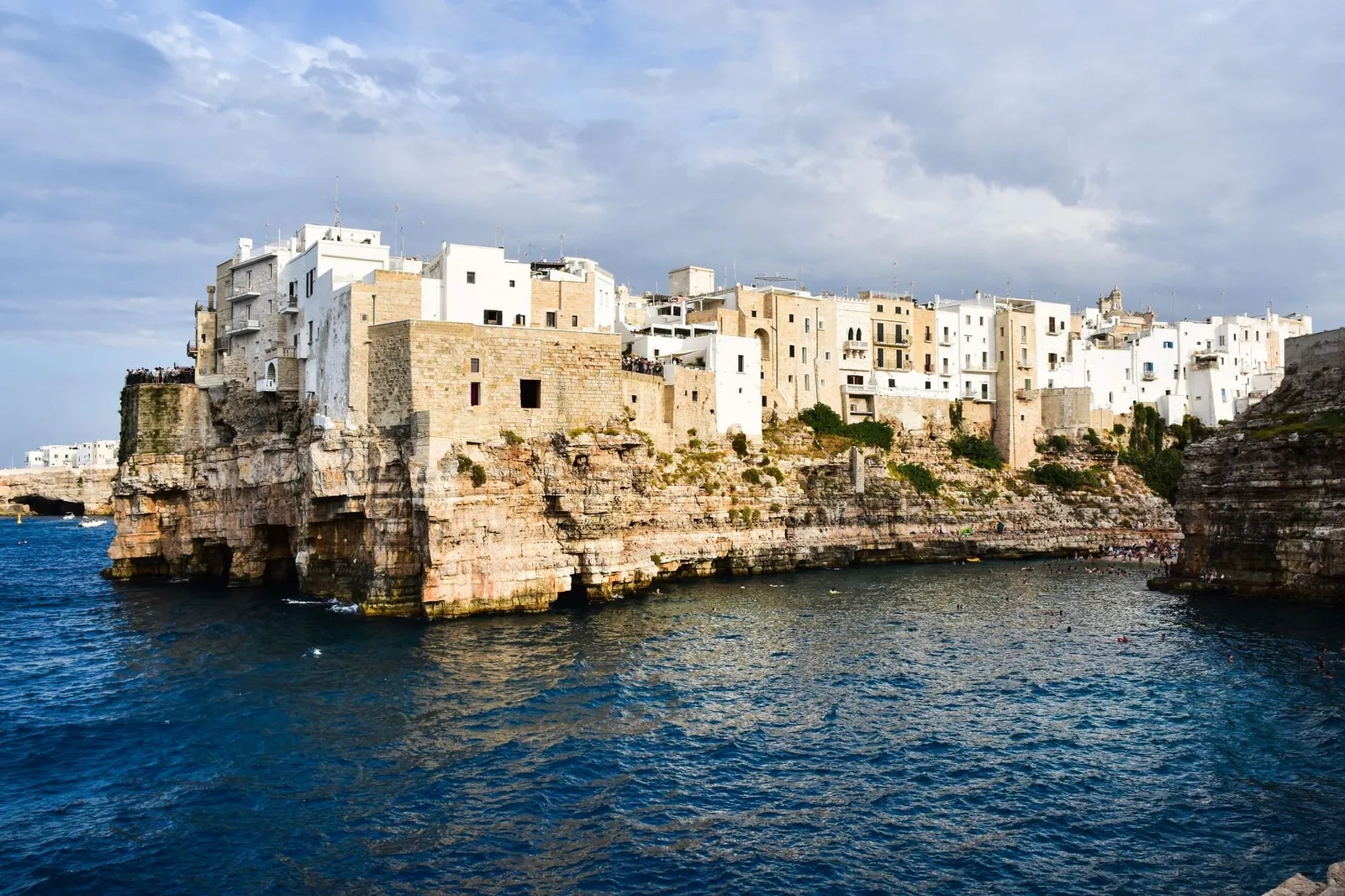
The shore here is low and rocky, broken by small coves and sandy stretches, with beach clubs where the coast opens out. Just south of Savelletri, the archaeological park of Egnazia preserves a Messapian and Roman town beside the sea. Up the coast, Monopoli has a working old harbour, and Polignano a Mare sits on cliffs above caves cut by the sea. Raw sea urchins and crudo are a local habit on the waterfront.
Into the Valle d'Itria
Inland, the land rises into the Valle d'Itria, the country of trulli, the round stone houses with conical roofs. Alberobello has the densest cluster and is a UNESCO site; Locorotondo is a circular white town above vineyards; Cisternino is known for butchers who grill meat to order in the evening. Ostuni, the white city, spreads over its own hill to the south. A town, a long lunch and one more stop make a comfortable day.
How long to stay
Five nights suit a first visit, with time for the coast and a couple of inland outings. Spring brings wildflowers in the olive groves and warm days for walking in the towns; September and October keep the sea warm with fewer people. In July and August, visit towns early or in the evening and give the hottest hours to the sea. Bari's old town, with women making orecchiette in the lanes, is worth a stop on the way in or out.
Puglia in pictures
When to go
Puglia through the year.
- Janquiet
- Febquiet
- Marquiet
- Aprquiet
- Maybest
- Junbest
- Julgood
- Auggood
- Sepbest
- Octbest
- Novquiet
- Decquiet
Best · May, Jun, Sep, Oct
Warm days for the towns and a sea warm enough to swim, with fewer people than high summer.
Good · Jul, Aug
Hot and busy. Early excursions, long afternoons by the sea and evenings in the white towns.
Quieter · Nov, Dec, Jan, Feb, Mar, Apr
Mild and quiet, with the olive harvest in late autumn. Beach clubs close and some places shorten their seasons.
Getting there
Arriving in Puglia.
Each hotel page lists its address, check-in times and the hotel's own transfer times.
Good to know
- Fasano and Savelletri cover one corner of a long region; Lecce and the Salento are a full day's outing further south.
- A car or driver is the practical way to reach the Valle d'Itria towns.
- Many historic centres limit car access. Park outside and walk in.
Practical
Before you go.
- Getting there
- Bari (BRI) or Brindisi (BDS), each roughly an hour by road from the Fasano and Savelletri area.
- When to go
- Late spring and early autumn for a mix of exploration and coastal time.
- Our tip
- Explore the Valle d'Itria and the nearby coast well instead of crossing the region each day.
On the map
Where the hotels are
Questions
Puglia, answered.
Do I need a car for Puglia?
A car or prearranged driver is useful if the Valle d'Itria towns and the coast are part of the trip. Distances are short, but public transport between the towns is limited.
How long should I stay?
Five nights make a good first stay, mixing the coast with a few inland outings. A shorter stay works best with a smaller geographical range.
Booking help
Planning Puglia?
Tell us your dates. We will suggest the right hotel and room, and help you book it.