 Independent hotel collection
 USD
 EUR
 GBP
 CHF
 AED
 SGD
 HKD
 THB
 JPY
 AUD
 CAD
 SEK
Italy · The Eternal City
Luxury hotels in Rome
Rome, one neighbourhood at a time.
A short walk in central Rome can move from an imperial monument to a small piazza and a shopping street. The distances look manageable, but the city is richer when its different neighbourhoods have time to become more than stops between tickets.
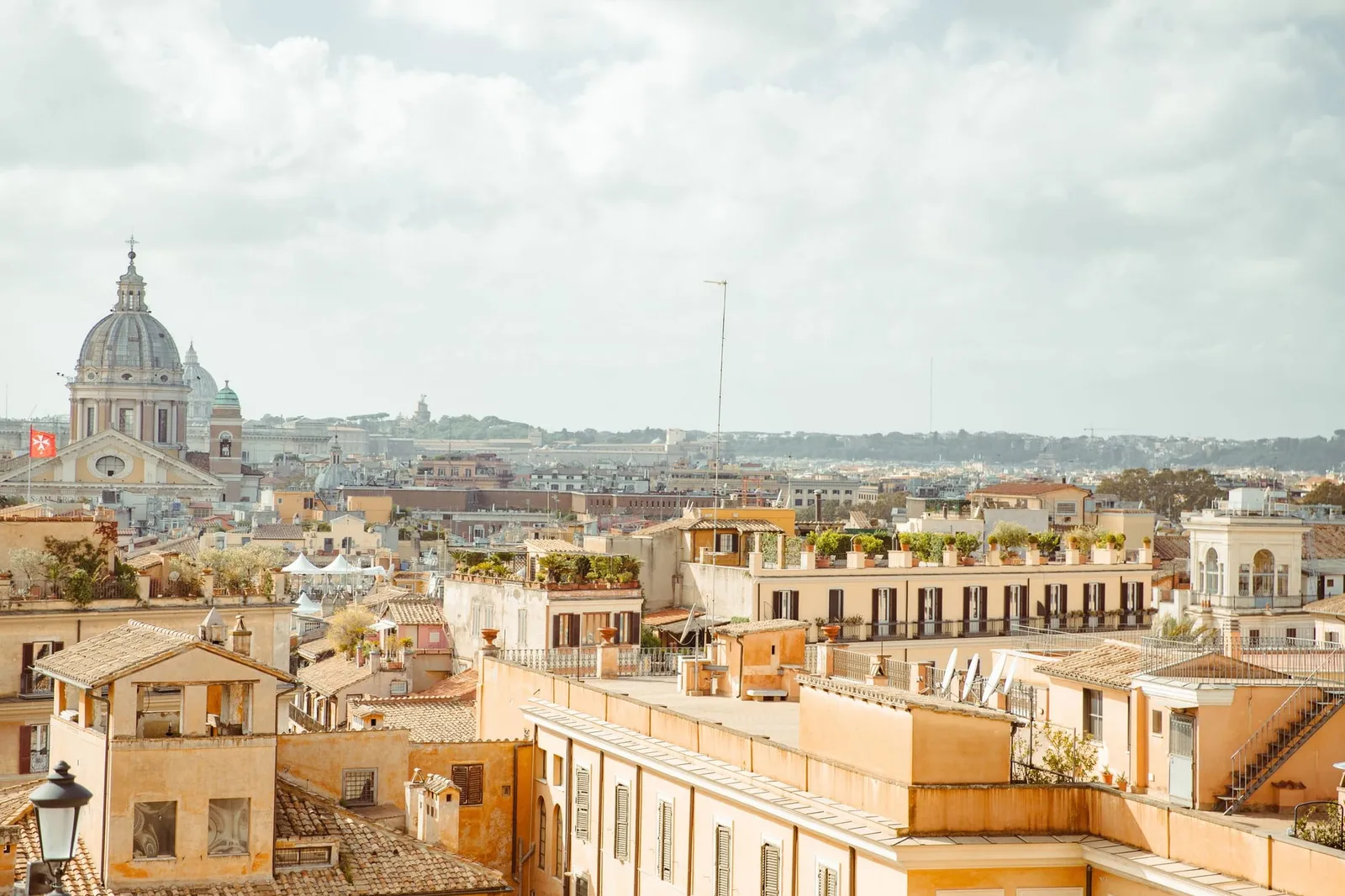
Rome's historic centre fills a bend of the Tiber. Inside it, the Campo Marzio holds the Pantheon, Piazza Navona and Campo de' Fiori; to the north, the Tridente of streets fans out from Piazza del Popolo towards the Spanish Steps, with the gardens of Villa Borghese and the Pincio above. The Forum, the Palatine and the Colosseum lie to the southeast, and the Vatican and its museums sit across the river beside the quieter streets of Prati.
Each part of the city puts a different Rome at the beginning and end of the day. Trastevere, over the river, is all cobbled lanes and trattorias; Monti, behind the Forum, is the oldest working neighbourhood in the centre; Testaccio, to the south, is where Romans go for the market and for the dishes of the old slaughterhouse quarter.




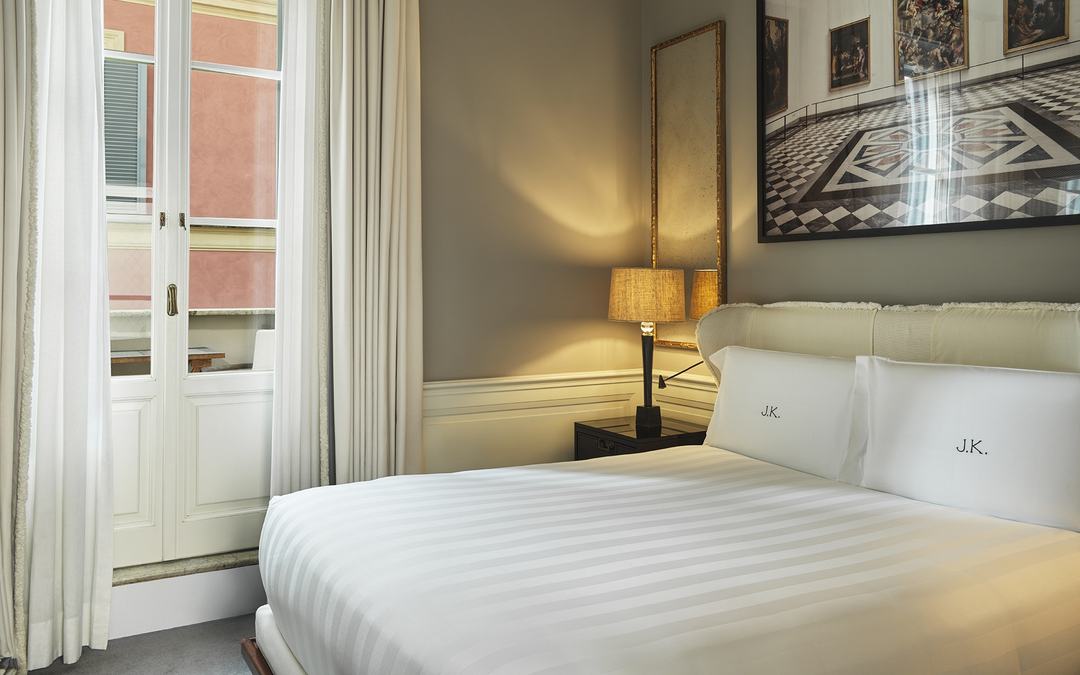
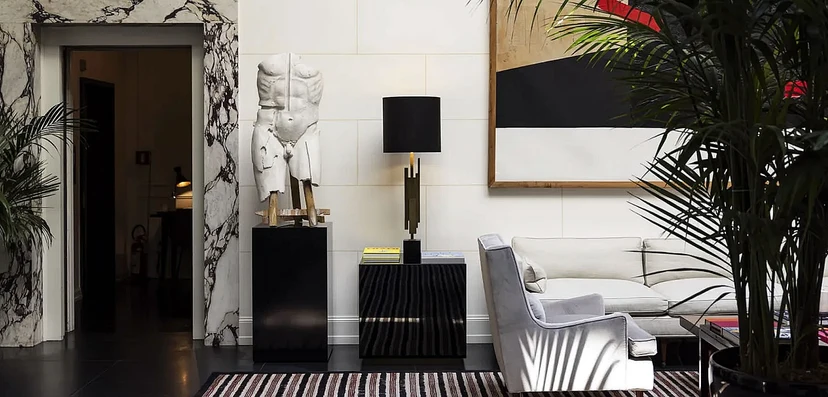

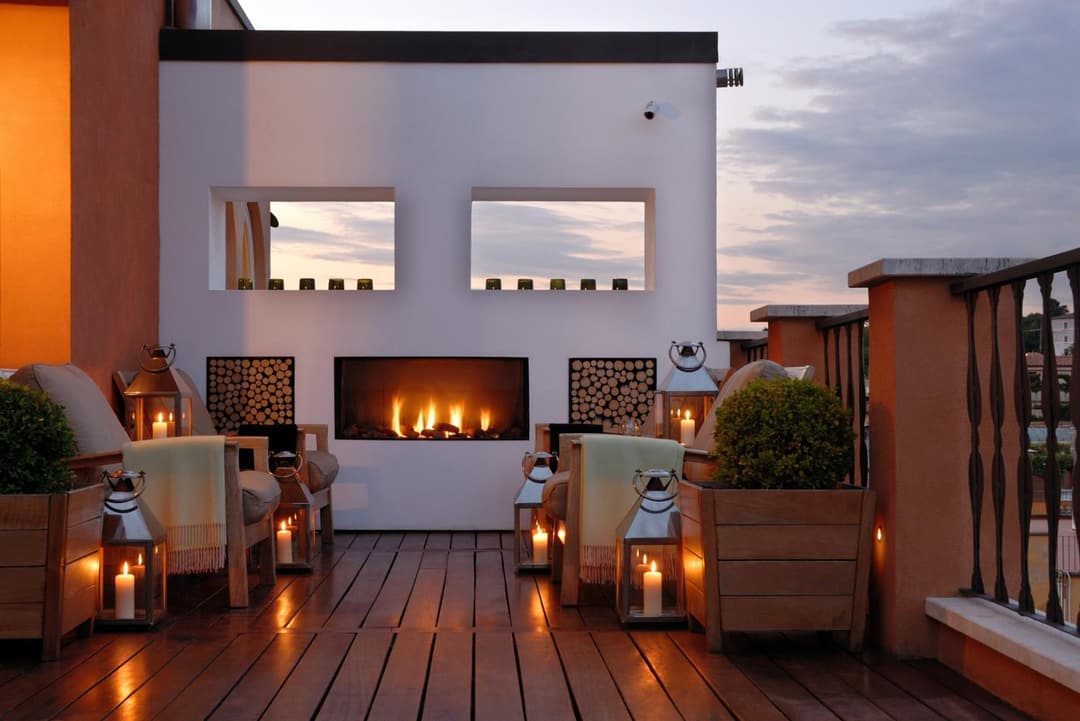
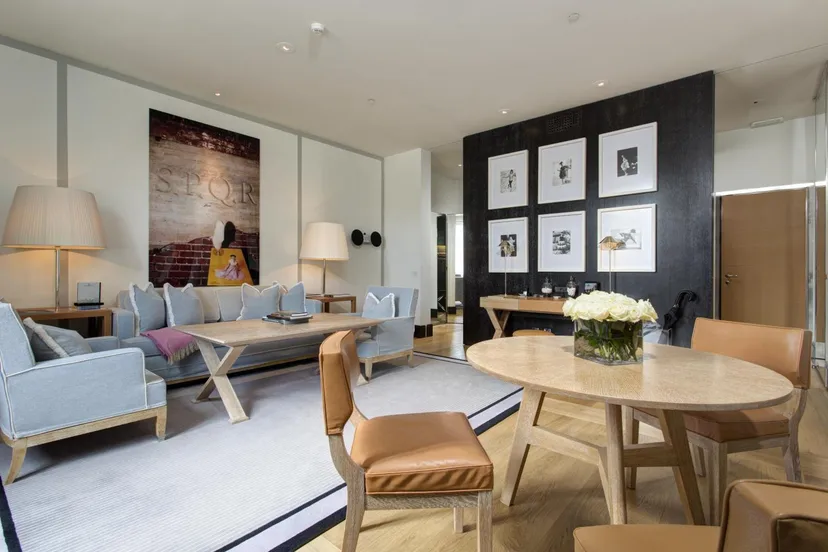

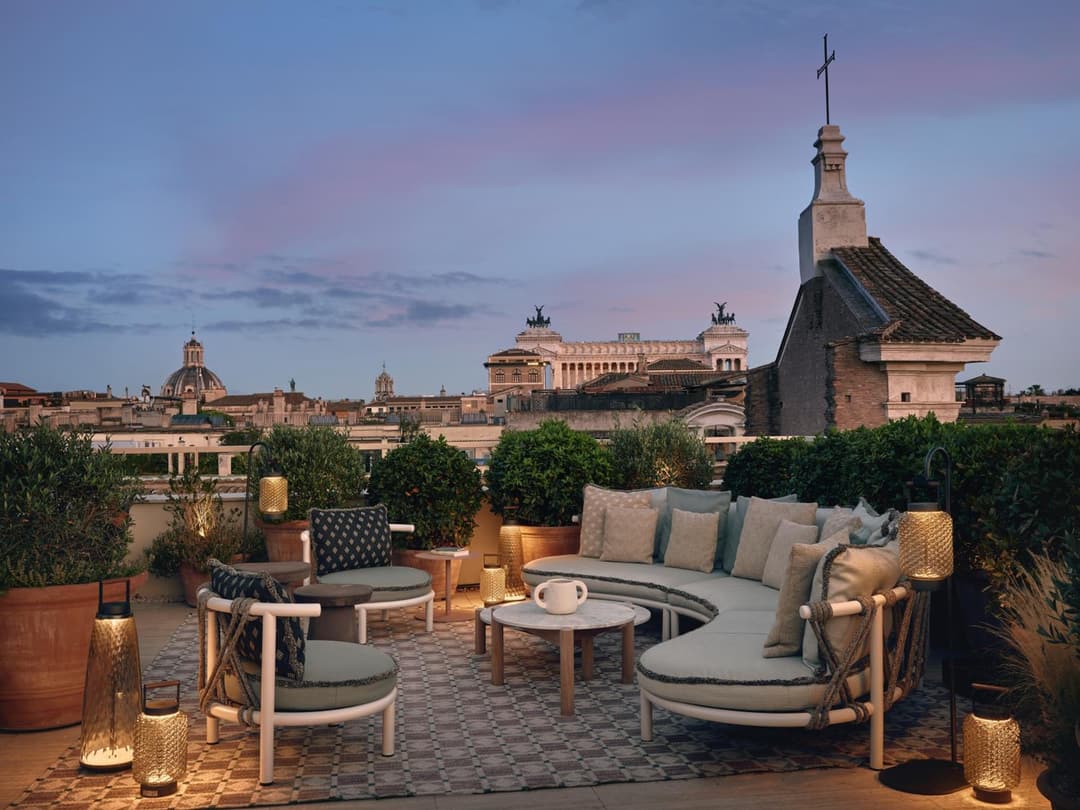

The city in walking distances
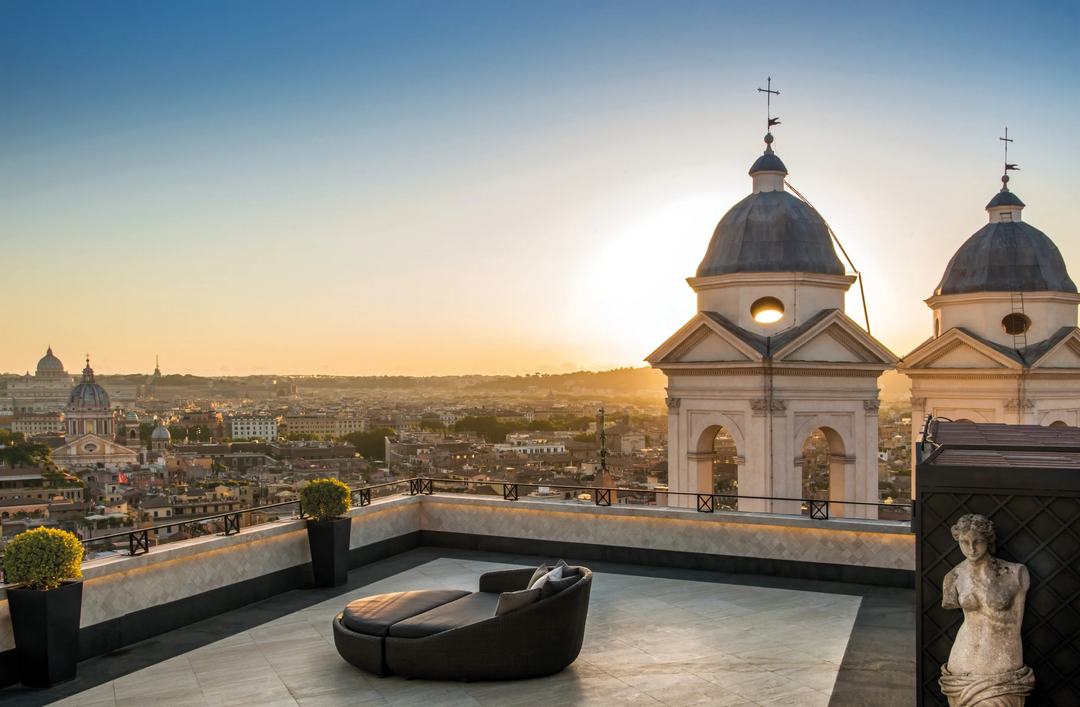
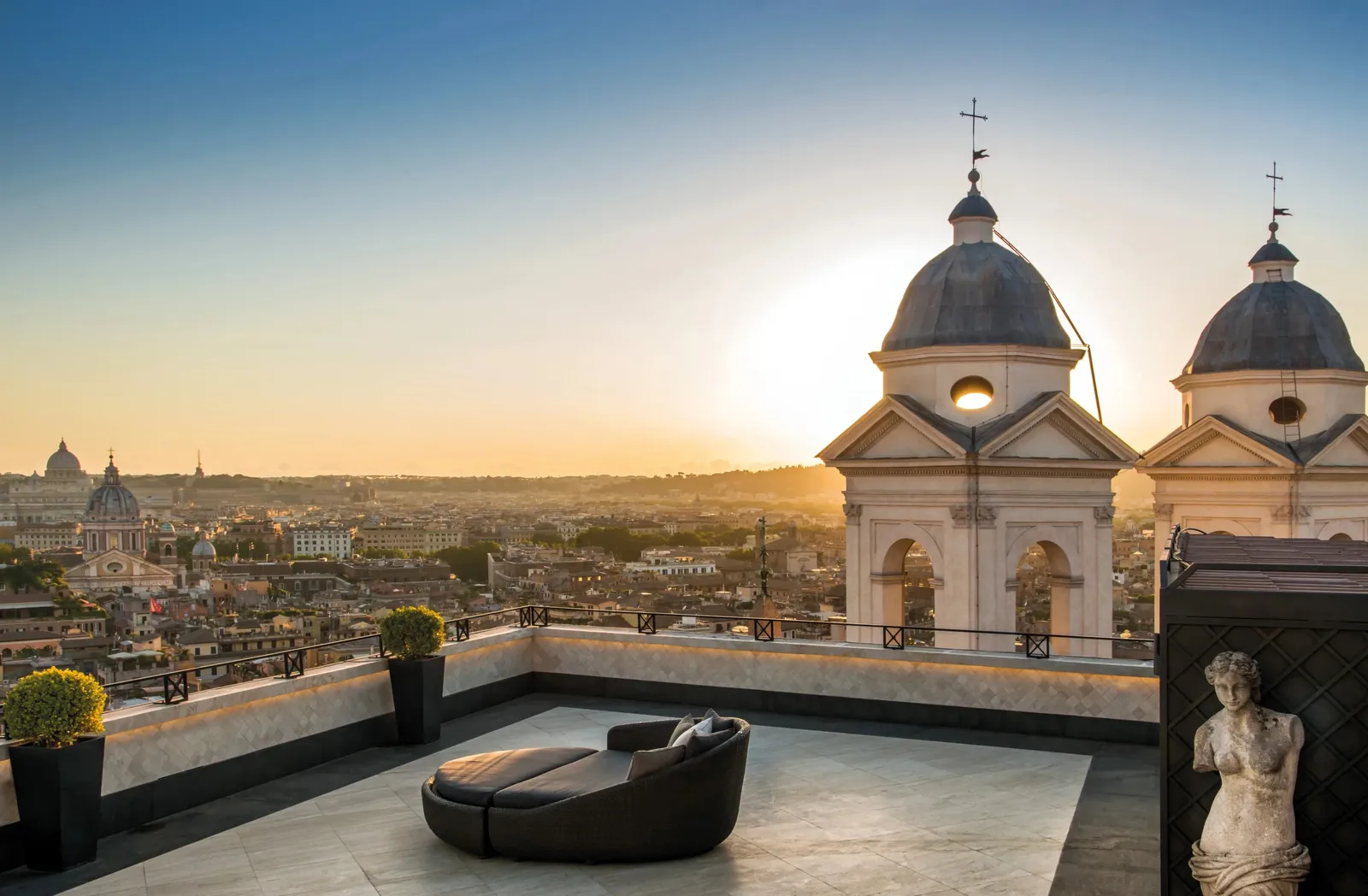
Central Rome is compact, but its parts feel different. The Spanish Steps and the Pincio look out over the rooftops towards St Peter's; Piazza Augusto Imperatore and the Mausoleum of Augustus open onto the Campo Marzio; the Aventine, south of the Circus Maximus, is quiet and leafy, with the Orange Garden and its view over the Tiber. Many of the best walks connect only two or three of these at a time.
Some of the city's finest views involve steps and hills. The climb from Piazza del Popolo to the Pincio, or up the Gianicolo above Trastevere, is worth it at the end of the day.
Separate ancient Rome from the Vatican
The Colosseum, Forum and Palatine make one substantial part of a visit; the Vatican Museums, the Sistine Chapel and St Peter's form another. Reserve them on different days if time permits. Leave a day with less structure for the Pantheon area, Piazza Navona and the smaller streets between.
A route built around a few adjoining places usually reveals more of Rome than one that crosses the city repeatedly to complete a list. The Appian Way, with its catacombs and Roman tombs, is a good half day by bike or on foot when the centre feels crowded.
Eating the Roman way
Roman cooking is direct and seasonal: cacio e pepe, carbonara, amatriciana and gricia, artichokes fried in the Jewish style in spring, supplì from a counter, and maritozzi with cream for breakfast. Testaccio and the Ghetto keep the most traditional kitchens.
Lunch is the long meal of the day in hot months. Many family restaurants close for part of August around Ferragosto, on 15 August, when Romans leave for the sea.
Stay long enough for an ordinary evening
Four nights is our suggested starting point for a first substantial visit. It allows the major visits without making every dinner the end of an exhausting march. In hotter months, use the morning for exposed sites and leave the middle of the day for lunch and a rest.
Rome also rewards a cooler-season visit centred on churches, galleries, long meals and walking, with the weather deciding the balance each day.
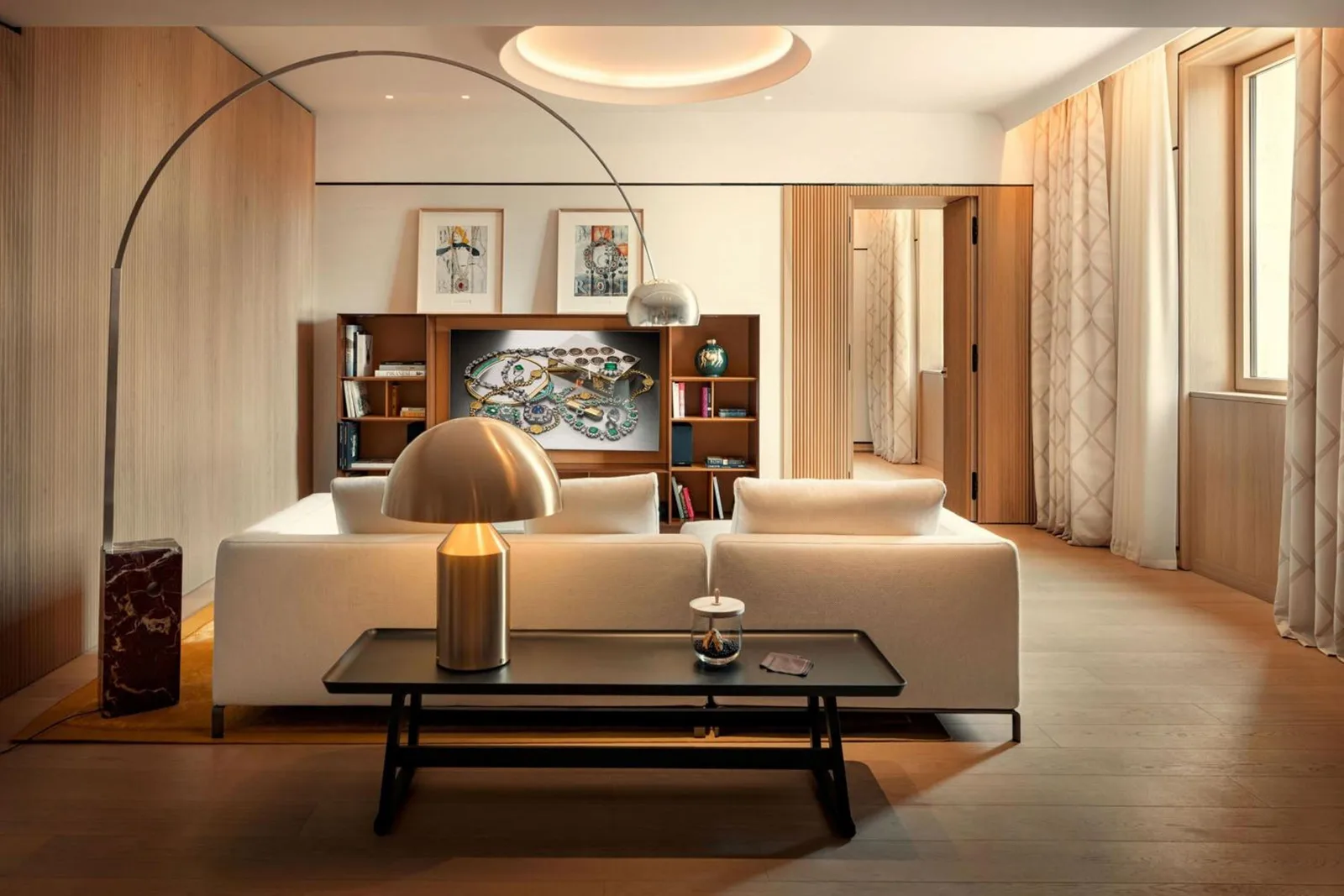
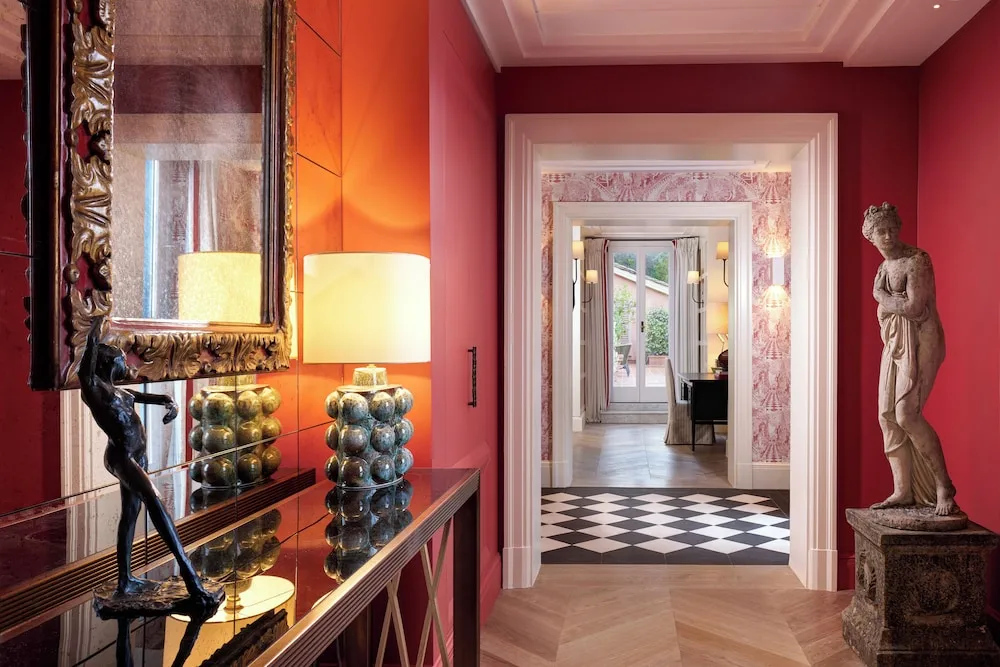
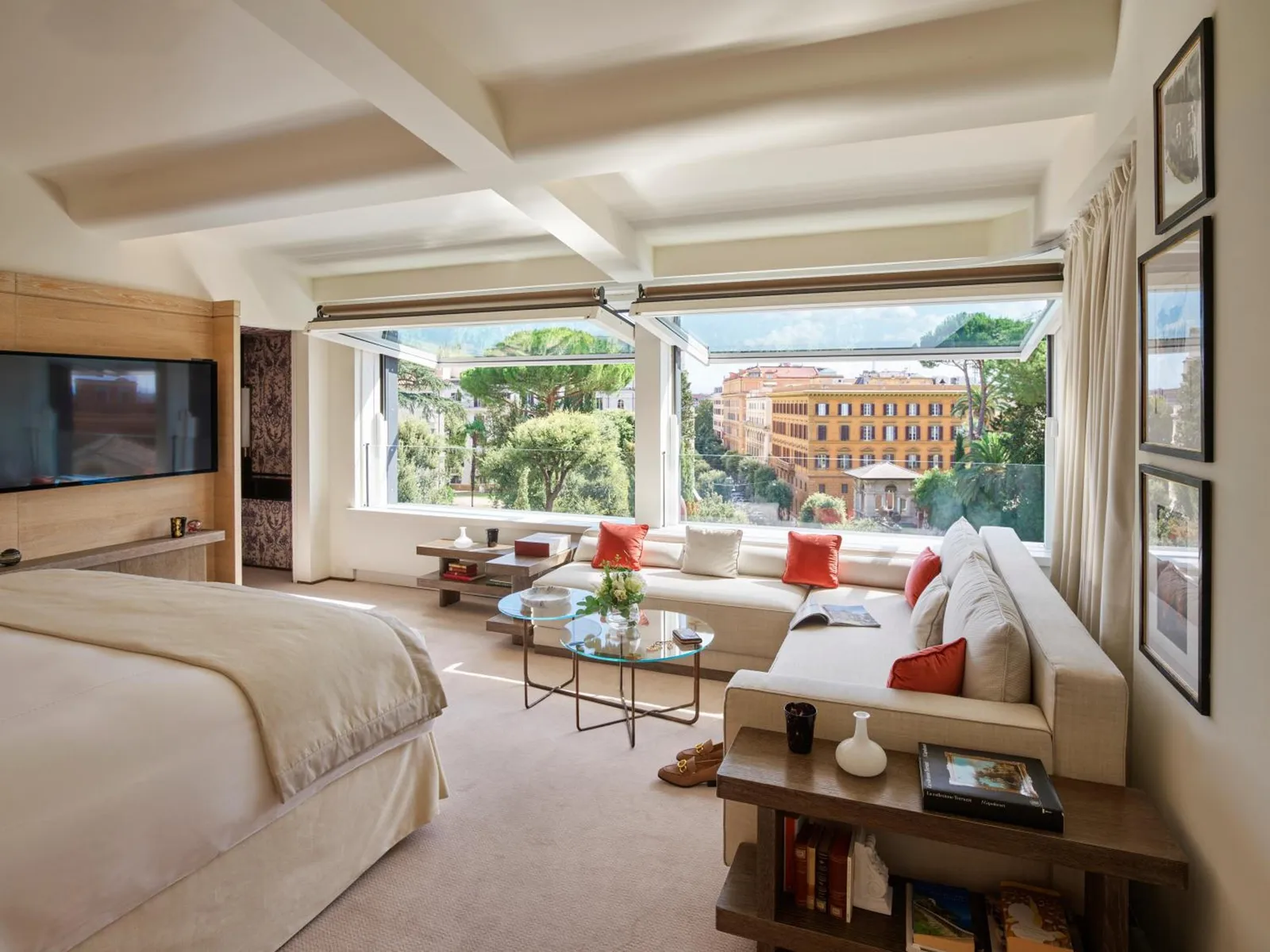
Rome in pictures
When to go
Rome through the year.
- Janquiet
- Febquiet
- Marbest
- Aprbest
- Maybest
- Jungood
- Julgood
- Auggood
- Sepgood
- Octbest
- Novbest
- Decquiet
Best · Mar, Apr, May, Oct, Nov
Comfortable starting points for a visit with plenty of walking, allowing for rain.
Good · Jun, Jul, Aug, Sep
Longer days but more heat; schedule exposed archaeological sites early. Many local restaurants close for part of August.
Quieter · Dec, Jan, Feb
Cooler city days favour museums, churches and a flexible mix of indoor and outdoor visits.
Getting there
Arriving in Rome.
Each hotel page lists its address, check-in times and the hotel's own transfer times.
Good to know
- Book the major archaeological and museum visits individually; the Galleria Borghese admits visitors only with a timed reservation.
- The Vatican Museums are closed on most Sundays and religious holidays. Check the calendar before planning a Vatican day.
- The metro has only a few lines and skirts much of the historic centre. Walking and taxis are usually quicker.
- Churches ask visitors to cover shoulders and knees.
Practical
Before you go.
- Getting there
- Fiumicino (FCO) handles most international arrivals. The Leonardo Express train reaches Termini in about half an hour; the drive to the centre takes 40 minutes or more in traffic.
- When to go
- Spring and autumn for a walking-led visit; summer needs more room around the heat.
- Our tip
- Put the Vatican and ancient Rome on different days, and book timed entry for the Galleria Borghese well ahead.
On the map
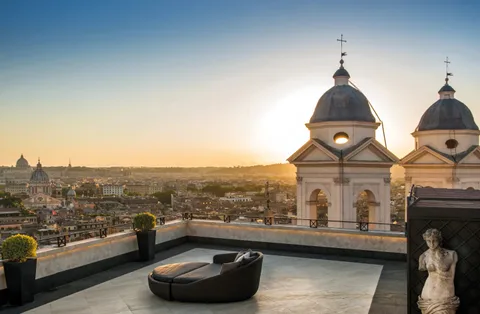
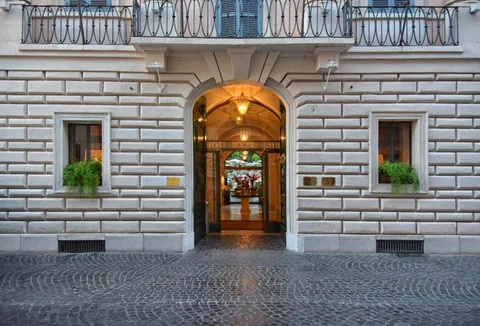
Where the hotels are

Questions
Rome, answered.
How many nights should I allow for Rome?
We suggest four for a first visit with ancient Rome, the Vatican and some less scheduled time. Fewer nights work better with a deliberately smaller list.
Which part of central Rome should I base myself in?
The Spanish Steps and Tridente suit shopping and the Villa Borghese side; the Campo Marzio around the Pantheon and Navona puts the old centre at the door; Trastevere and Monti are livelier in the evening.
Booking help
Planning Rome?
Tell us your dates. We will suggest the right hotel and room, and help you book it.