 Independent hotel collection
 USD
 EUR
 GBP
 CHF
 AED
 SGD
 HKD
 THB
 JPY
 AUD
 CAD
 SEK
Indonesia · The collection
Luxury hotels in Sumba
A beach, a horse and the open ocean.
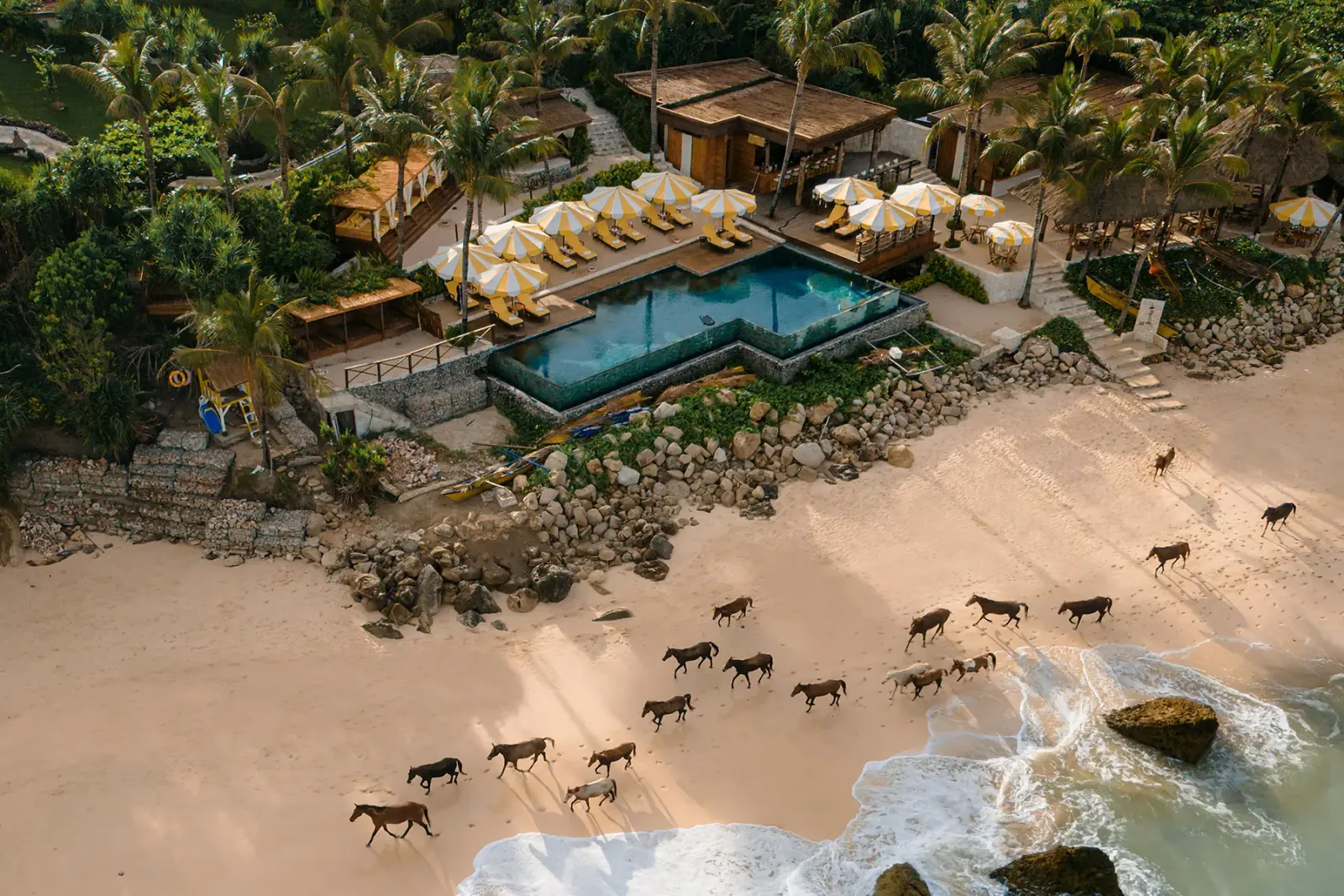
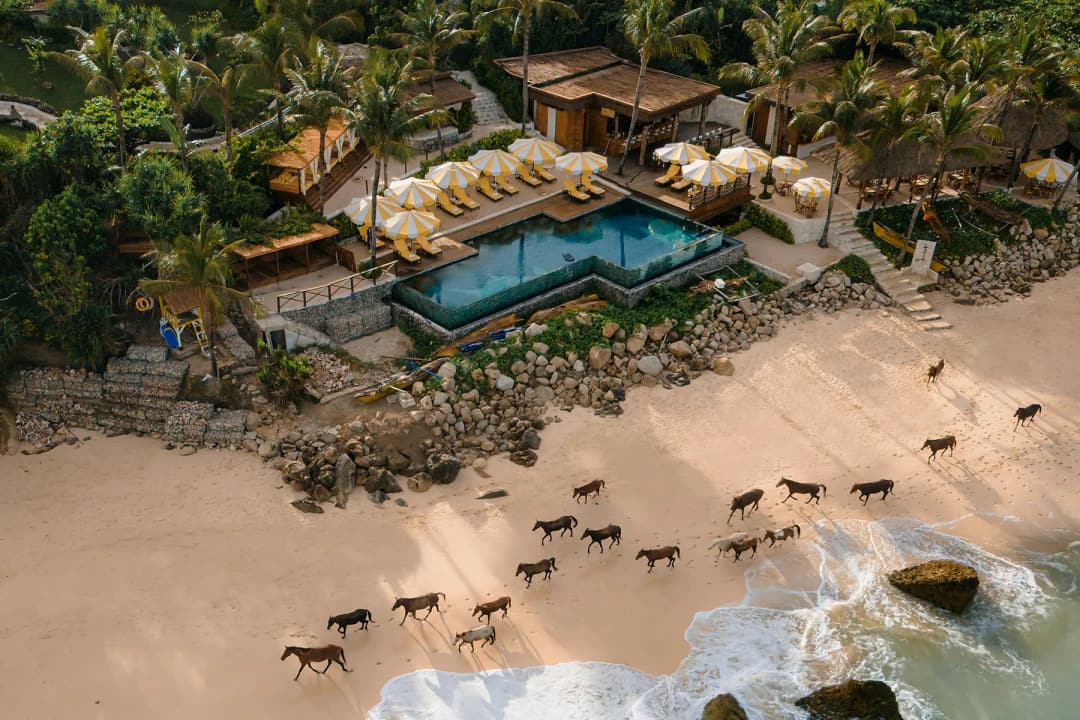
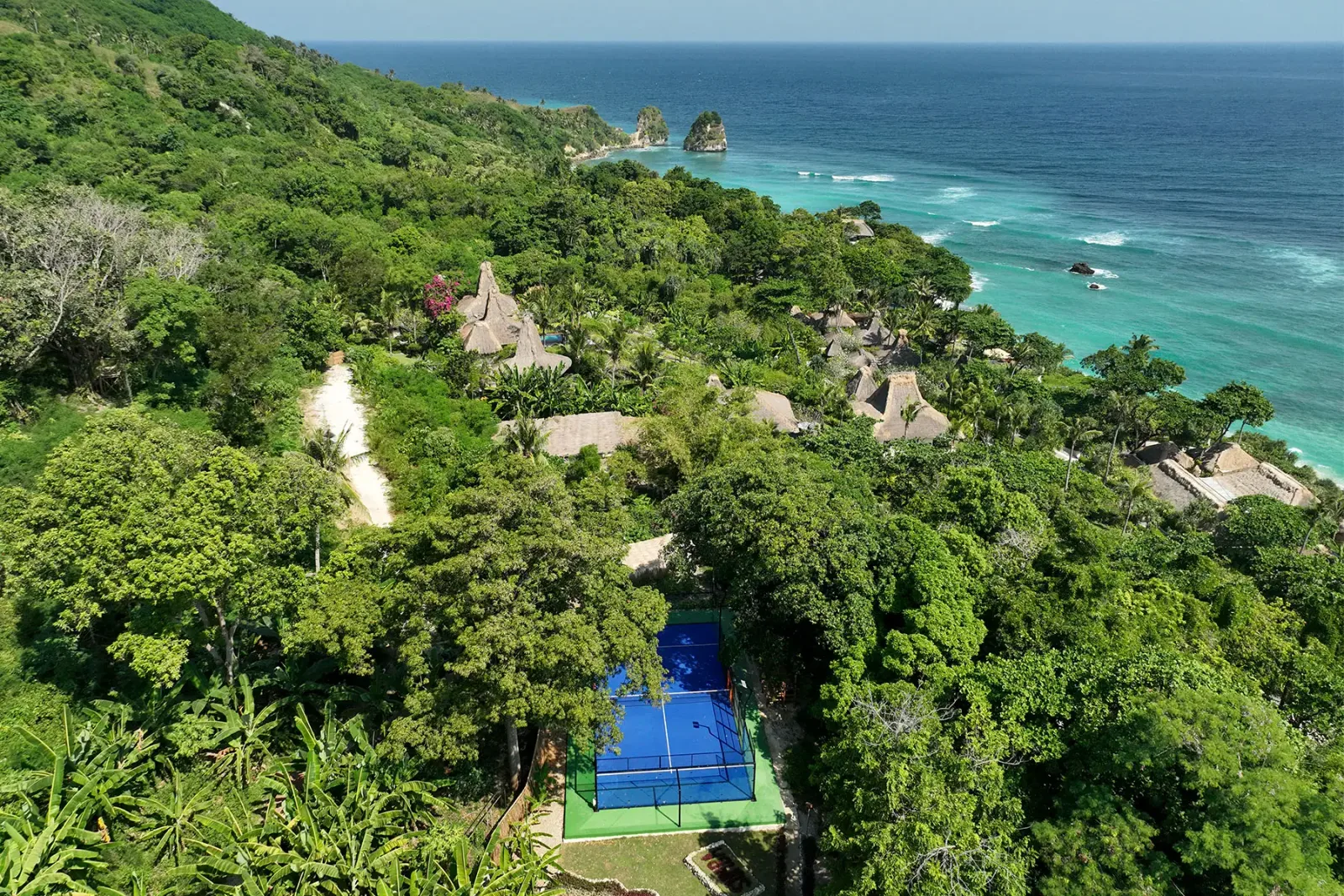
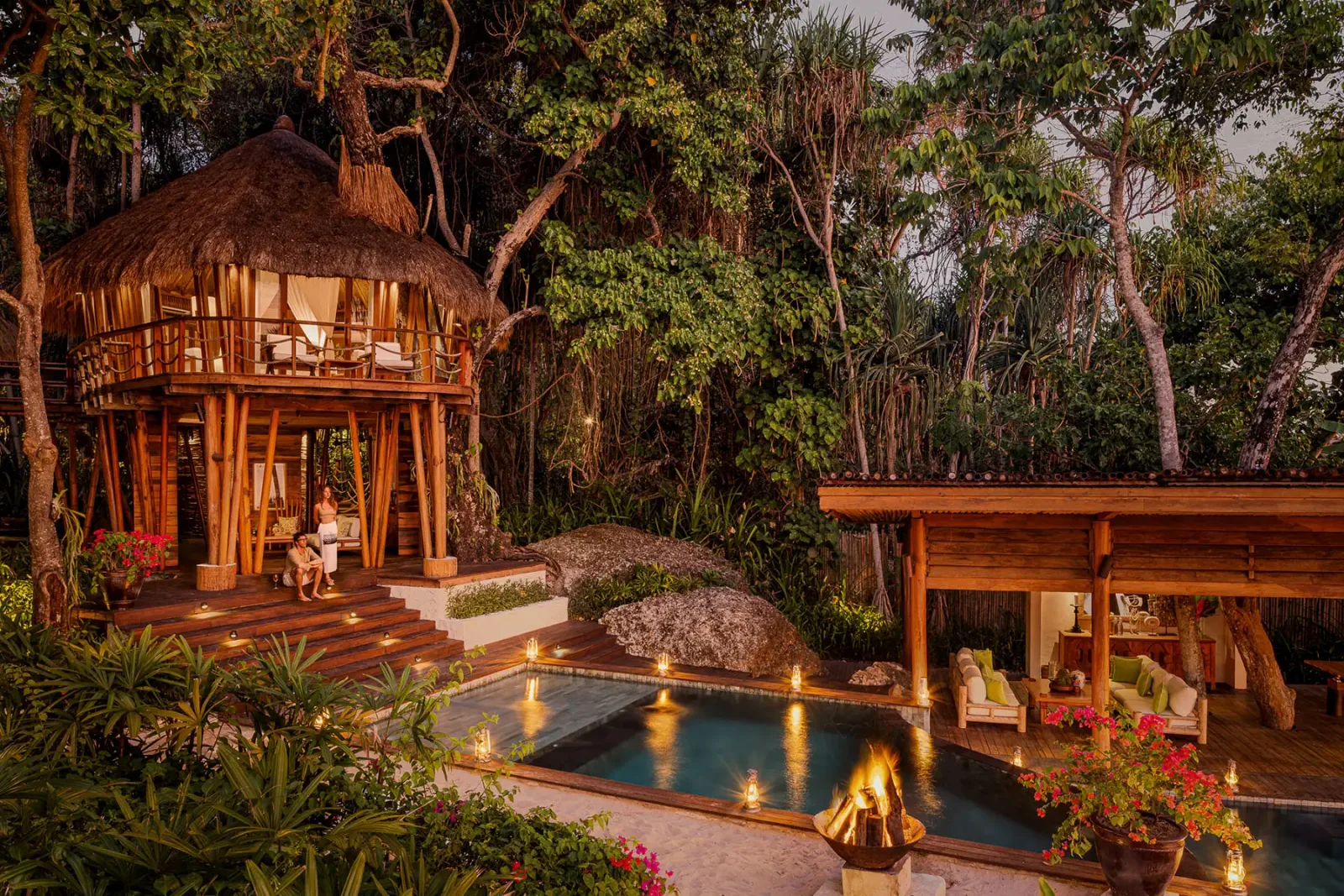
NIHI sits above a long beach on Sumba, with thatched villas, private gardens and the Indian Ocean beyond. The island rewards a stay that gives as much time to the coast as to the resort’s organised experiences.

A coastline with room to move
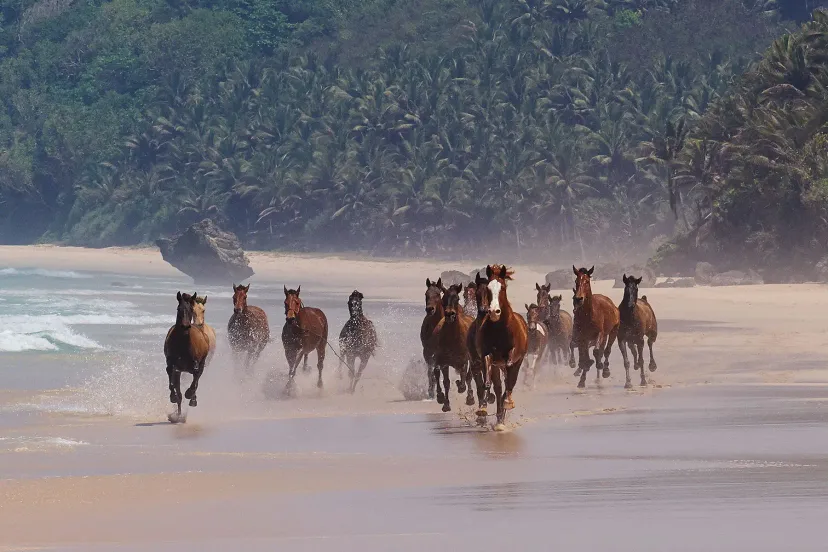
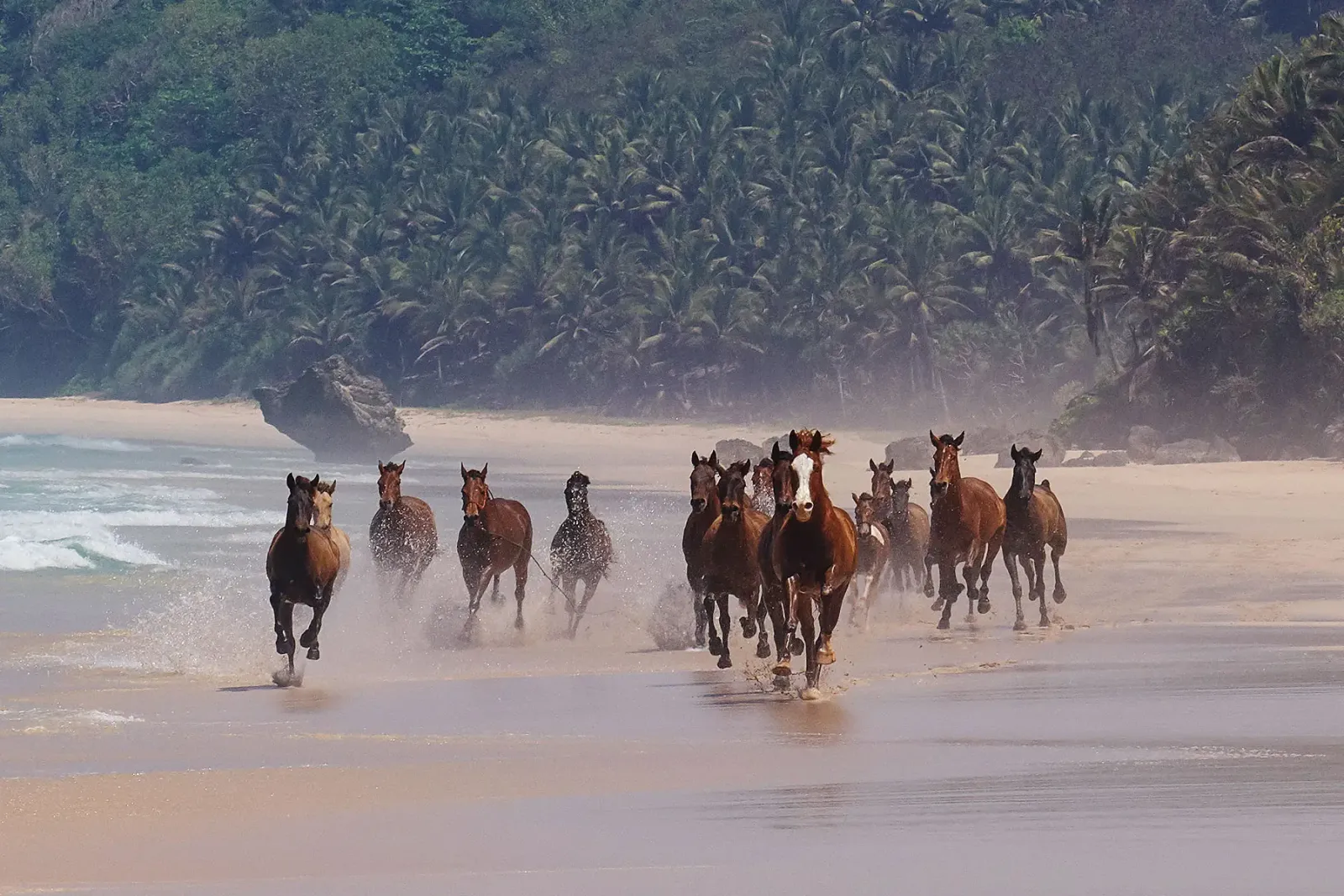
The beach at NIHI stretches for about two and a half kilometres. Horses, the surf and the long sweep of sand give this coast its identity, rather than a dense line of neighbouring hotels. A villa terrace can be a destination in itself, with a pool and a broad view along the shoreline.
Sumba lies in East Nusa Tenggara, south of Flores. NIHI puts the flight from Bali at about 50 minutes. The island is drier than its neighbours, with grassland toward the east and a greener west. Nihiwatu, the beach below the resort, is on the southwest coast. Travellers heading there usually fly into Tambolaka, the airport for West Sumba, rather than Waingapu in the east. The road in is part of the arrival, and a car with a driver is the practical way to go any farther than the beach.
The villa shapes the stay
NIHI’s villas and estates differ substantially. Marangga is a one-bedroom coastal retreat, while Marangga Family Estate has four bedrooms. Raja Mandaka’s principal residence has two. Party size is only the beginning of the choice: the position of the pool, the outlook and the relationship between buildings influence how a group spends time together.
Leave space between experiences
The Spa Safari makes wellness into a longer excursion rather than a treatment fitted between appointments. Horse activities and surfing add other ways to meet the landscape. These deserve time and planning, particularly where ability, conditions or age restrictions apply. Ombak provides an open-air setting for meals, using garden produce and freshly caught fish. A relaxed itinerary leaves space for both organised activities and a day spent almost entirely at the villa.
May to October is the drier stretch, and the hills turn gold. November to April is greener and wetter. Pasola, a ritual horseback spear festival in West Sumba, falls in that wetter season, usually in February or March, on dates set locally rather than by a fixed calendar. Stone tombs still stand in traditional villages, and ikat cloth is woven as part of daily life, especially toward the east. A village visit needs a guide who knows the greeting expected there. It is a day of its own. Weekuri Lagoon, a tidal pool on the west coast, is one of the outings arranged away from Nihiwatu.
Sumba in pictures
When to go
Sumba through the year.
- Jangood
- Febgood
- Margood
- Aprgood
- Maybest
- Junbest
- Julbest
- Augbest
- Sepbest
- Octbest
- Novgood
- Decgood
Best · May, Jun, Jul, Aug, Sep, Oct
May to October is the drier season. The southwest beach and the grassland drives are at their easiest, and this is the usual window for a first stay.
Good · Nov, Dec, Jan, Feb, Mar, Apr
November to April is wetter and greener. Pasola, in West Sumba, usually falls in February or March, on dates announced locally. Keep one day unplanned when the rain changes the road.

Each hotel page lists its address, check-in times and the hotel's own transfer times.
Good to know
- Villa names describe distinct accommodation. Use the exact category when deciding on bedrooms, layout and outlook.
- Surfing, horse activities and the Spa Safari have separate arrangements. A room reservation alone does not establish what is included.
Practical
Before you go.
- Getting there
- Tambolaka for the southwest coast. NIHI puts the flight from Bali at about 50 minutes. Waingapu serves the east of the island.
- When to go
- May to October is drier. November to April is greener, and Pasola usually falls in February or March.
- Our tip
- Keep a village day separate from a surf day. The drive, and the greeting at a traditional village, take longer than the map suggests.

Booking help
Planning Sumba?
Tell us your dates. We will suggest the right hotel and room, and help you book it.